Final conference “Equal in the Labour Market” highlights inclusion and employment opportunities

Final conference “Equal in the Labour Market” highlights inclusion and employment opportunities

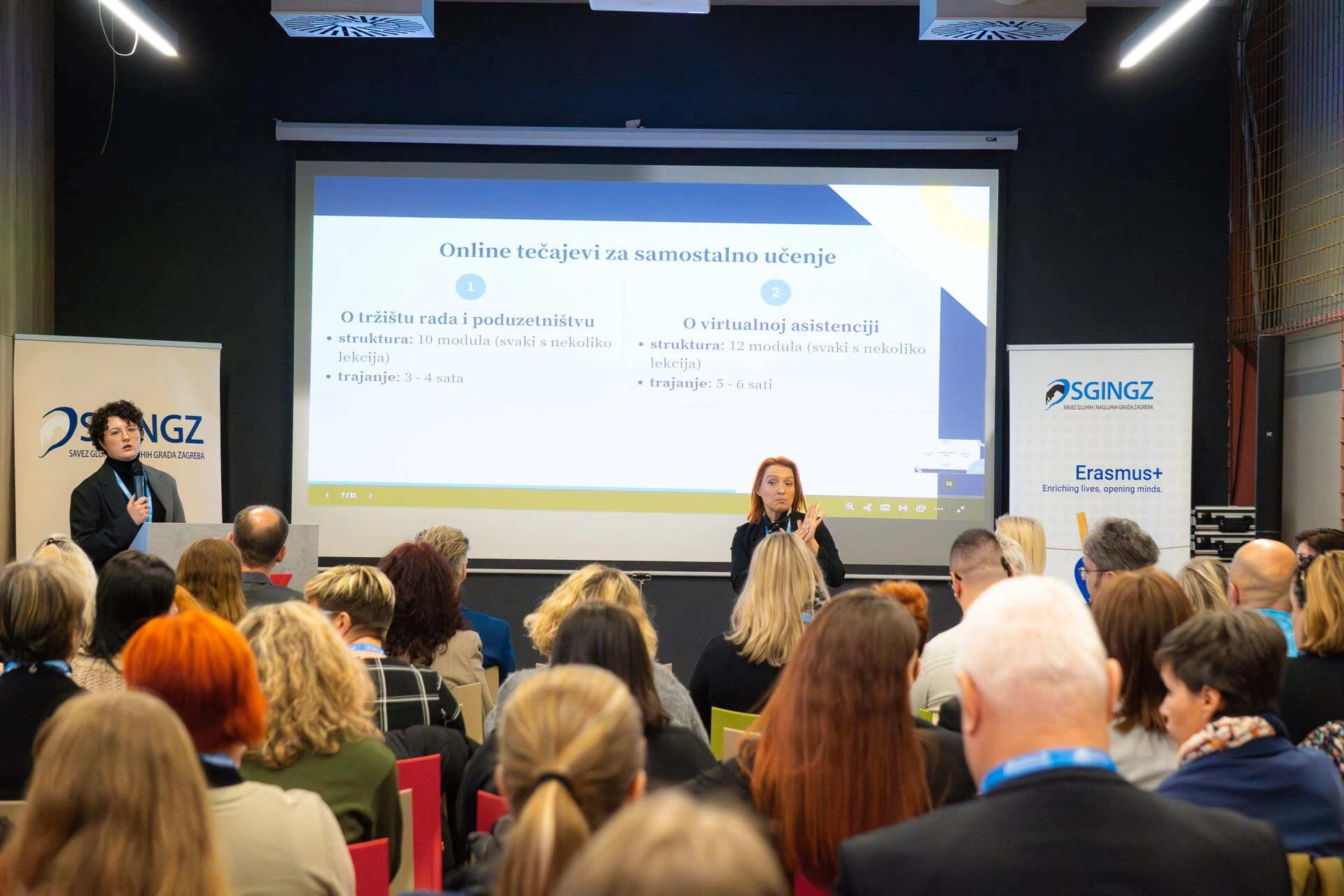
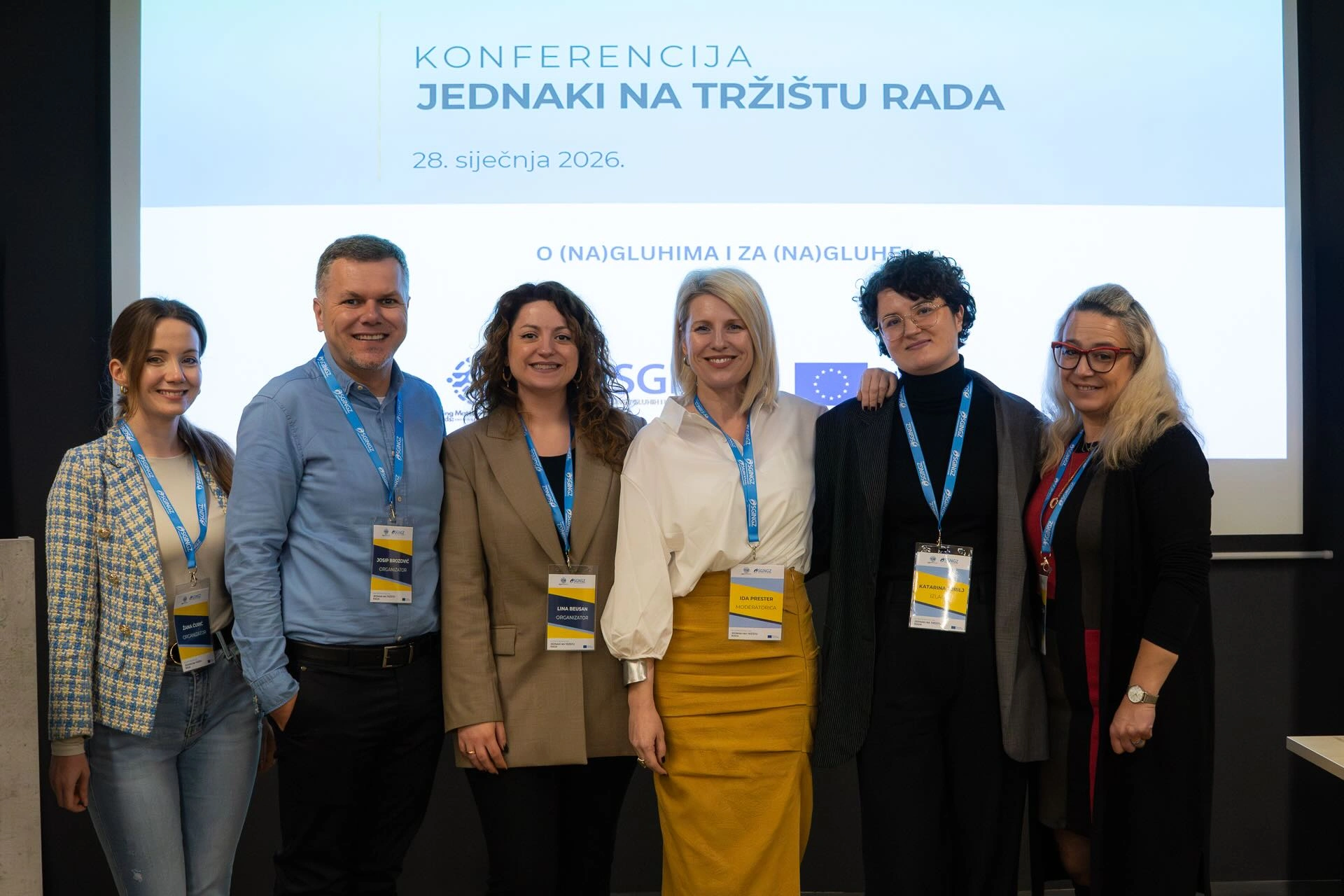
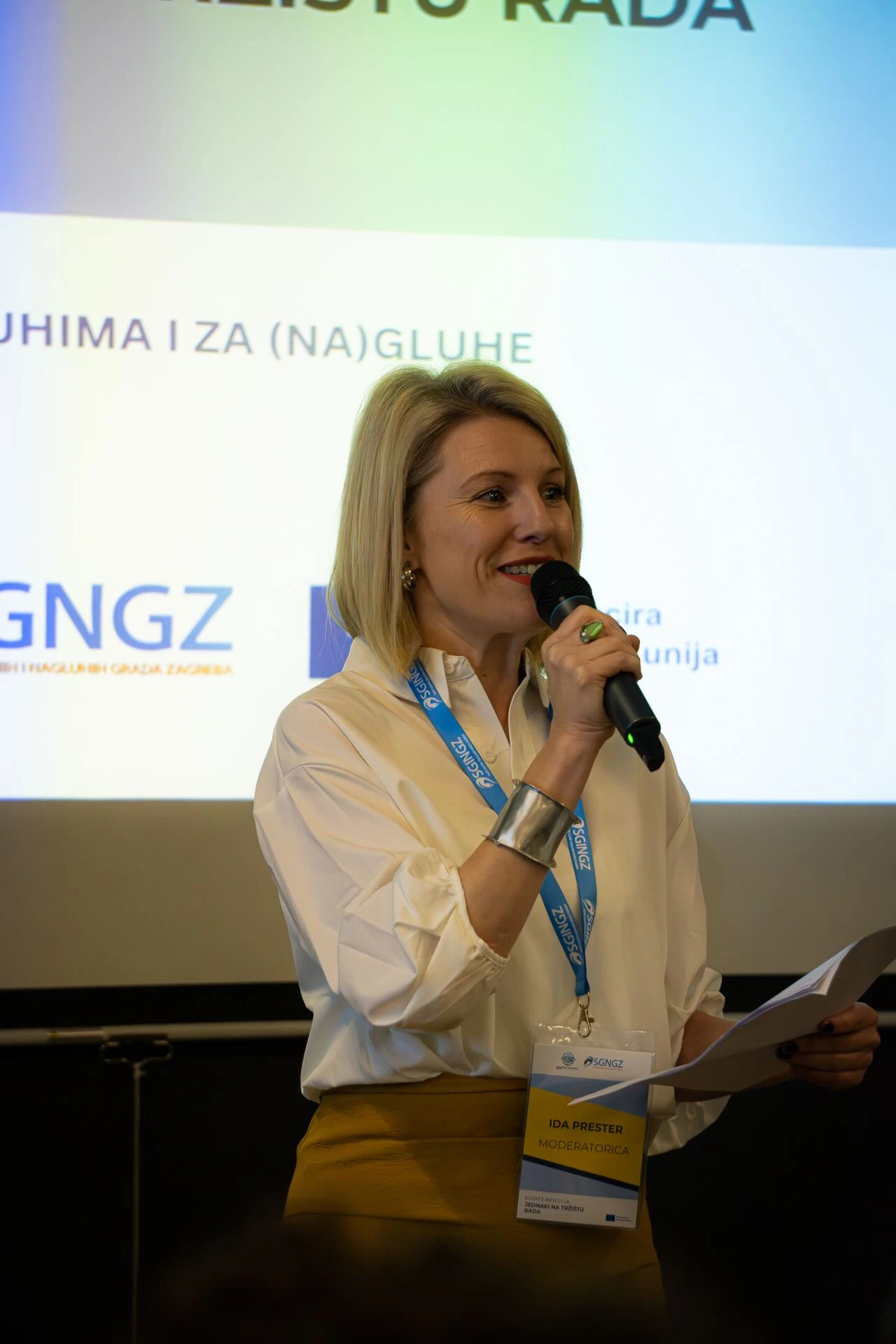
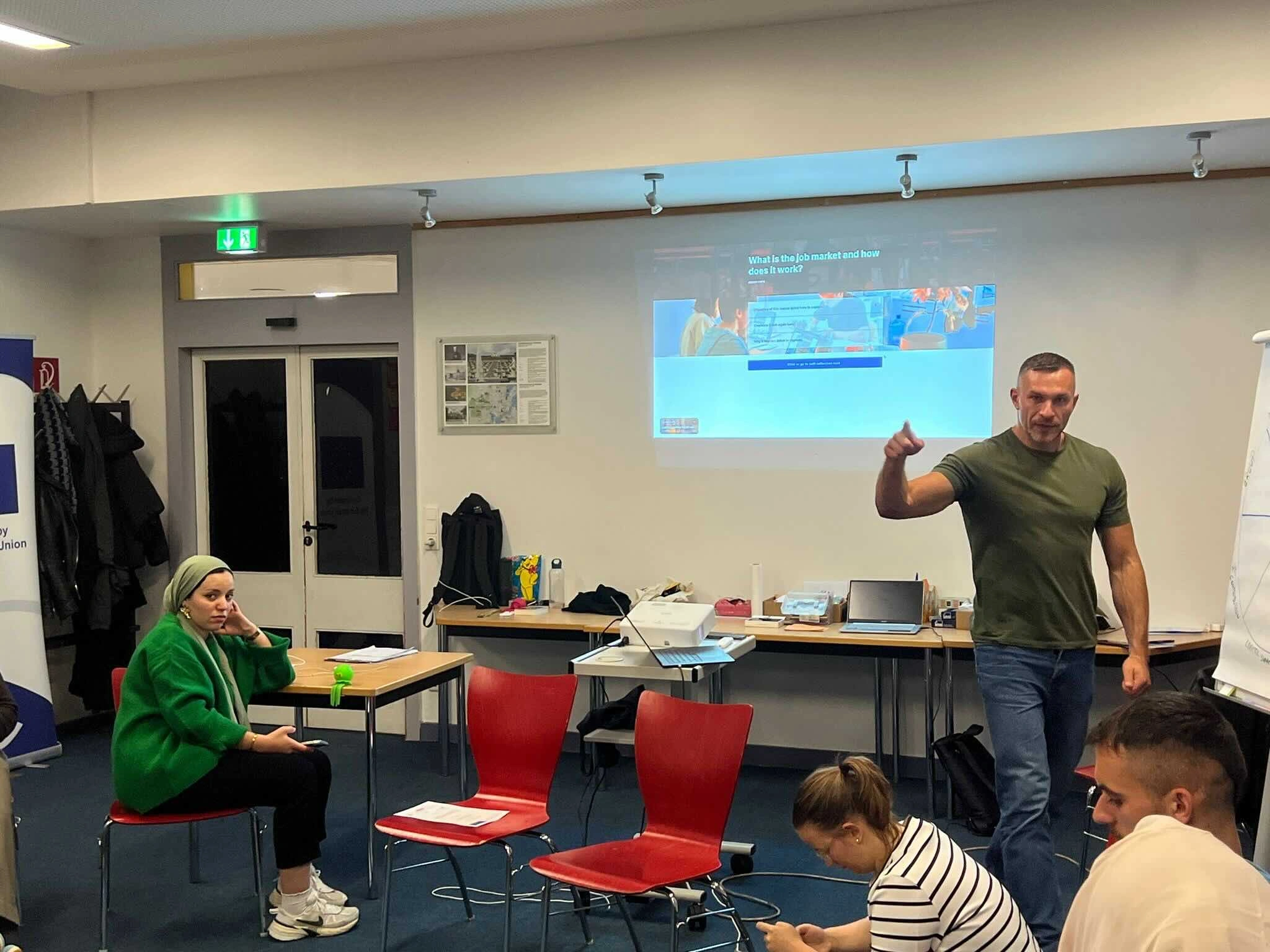
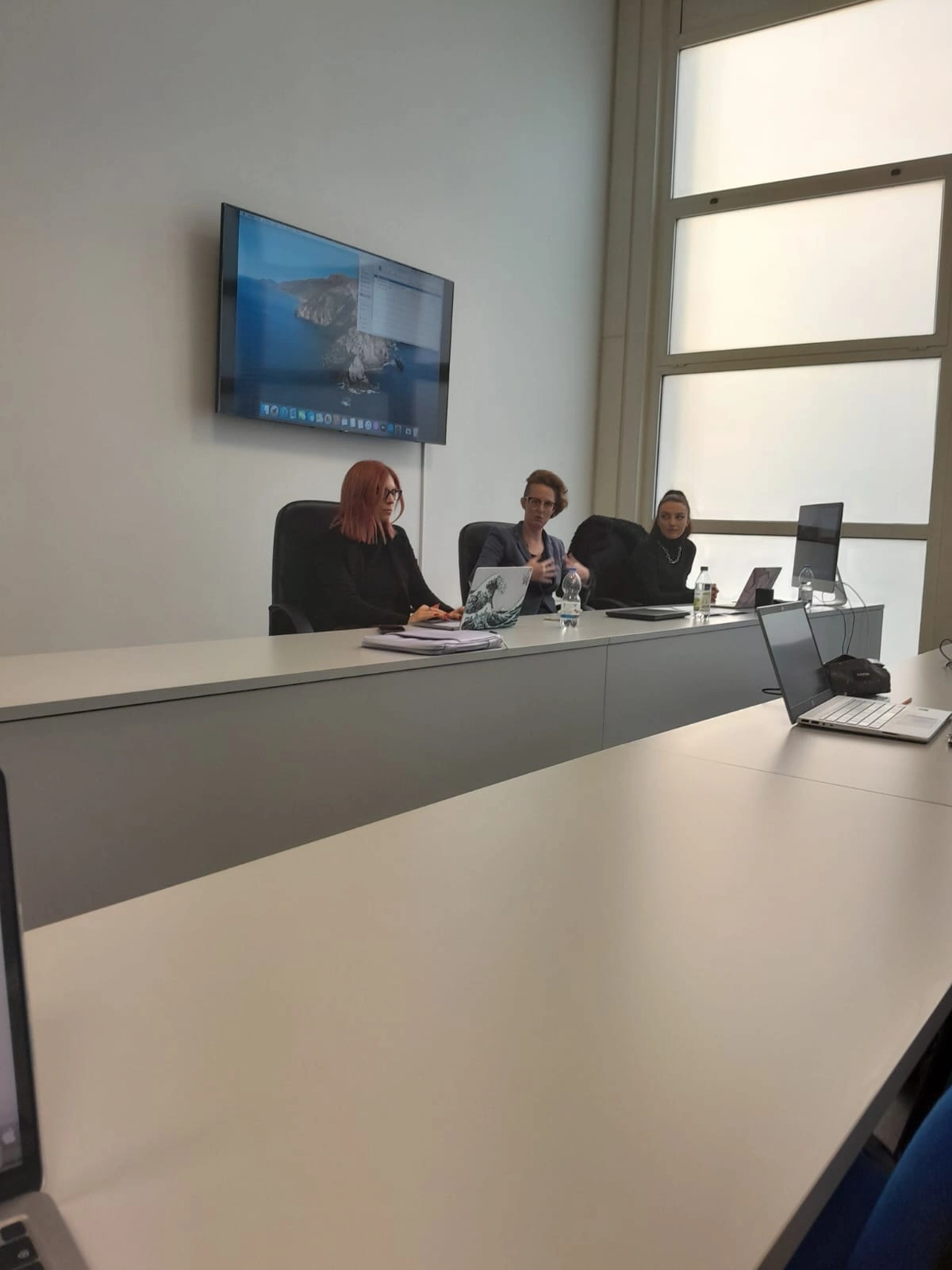
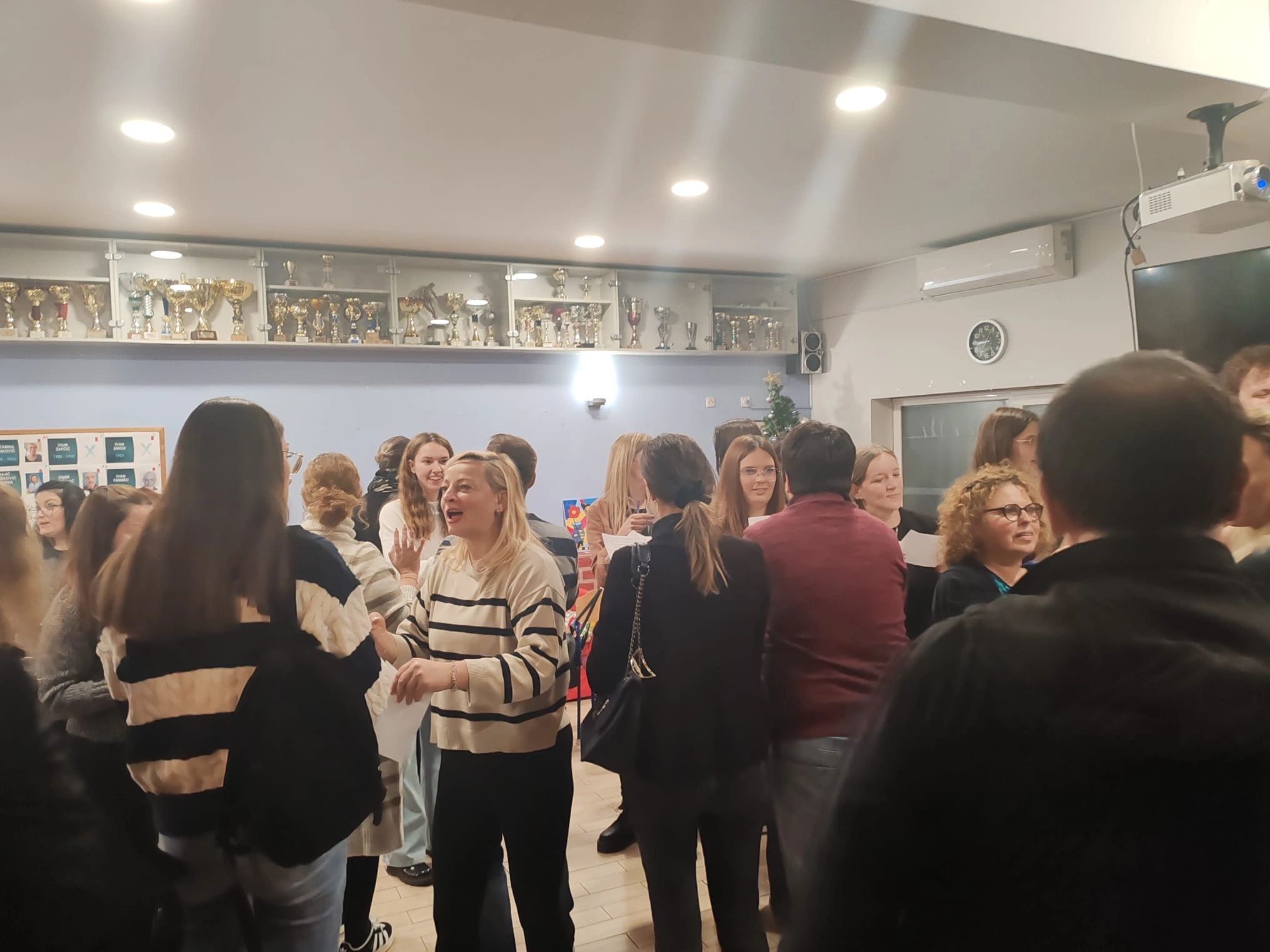
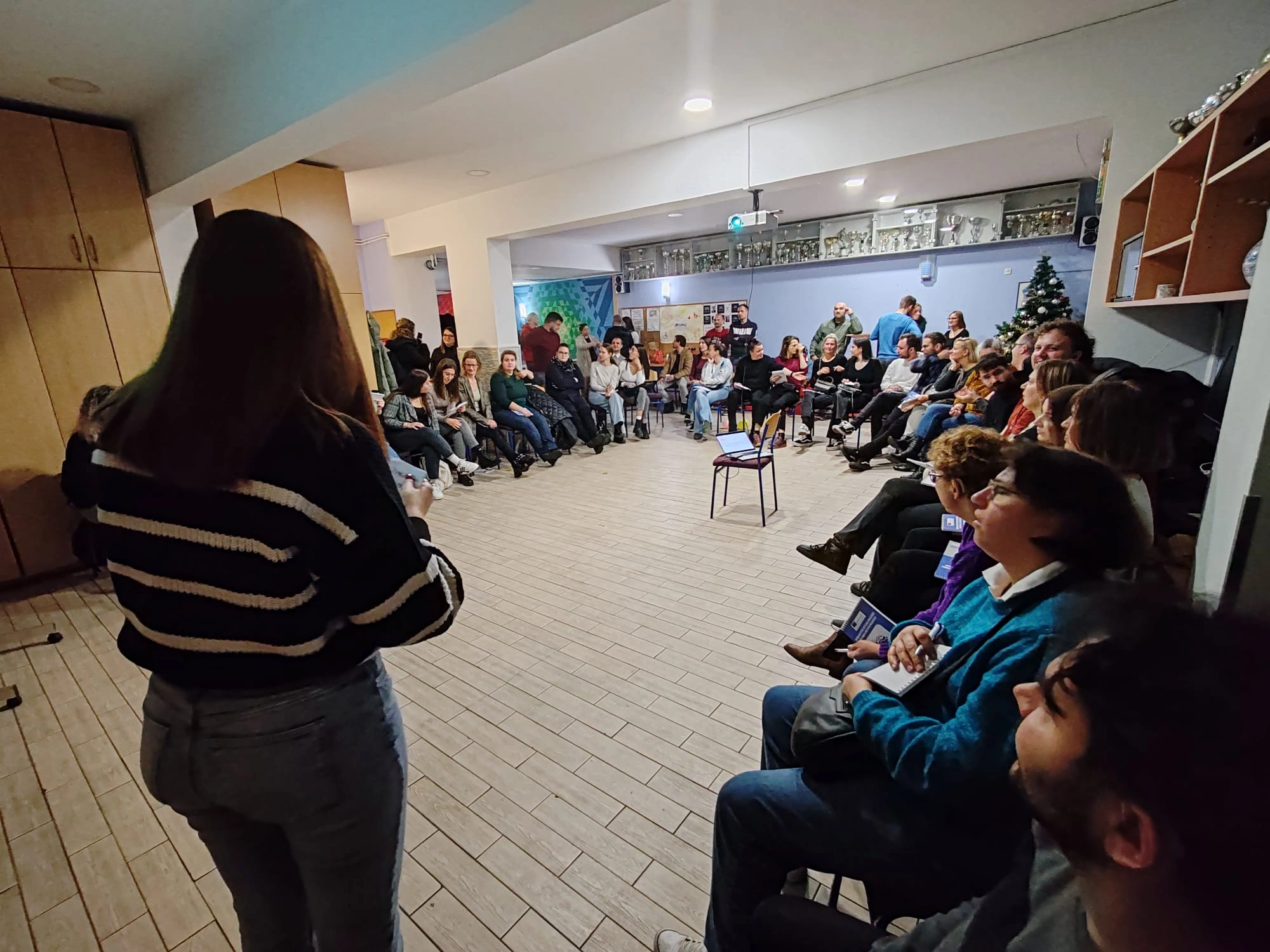
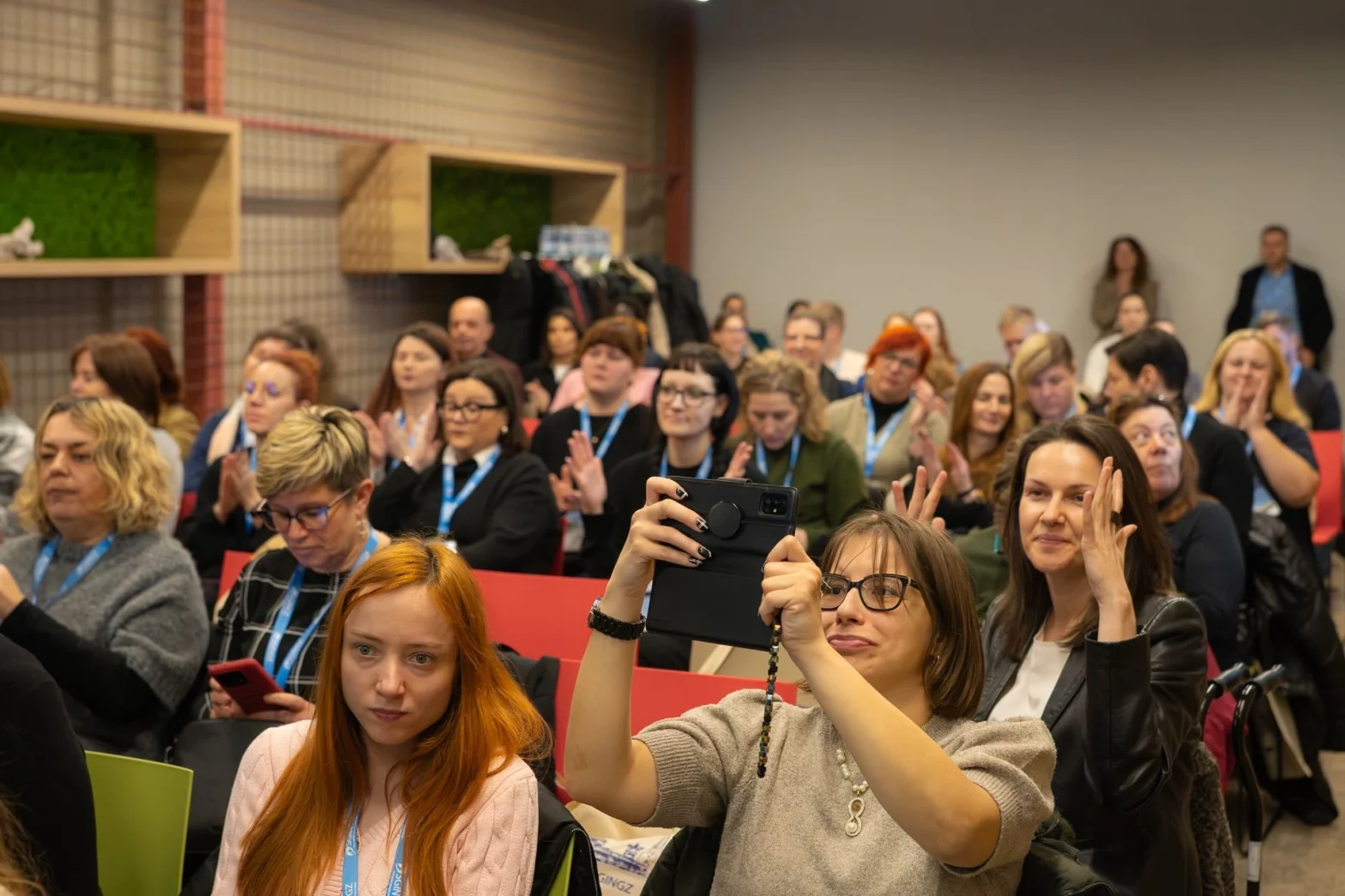
On 28 January 2026, the final conference of the project “Equal in the Labour Market” was successfully organised by the Savez gluhih i nagluhih grada Zagreba in Zagreb, marking an important milestone in promoting inclusive employment opportunities for deaf and hard of hearing persons.

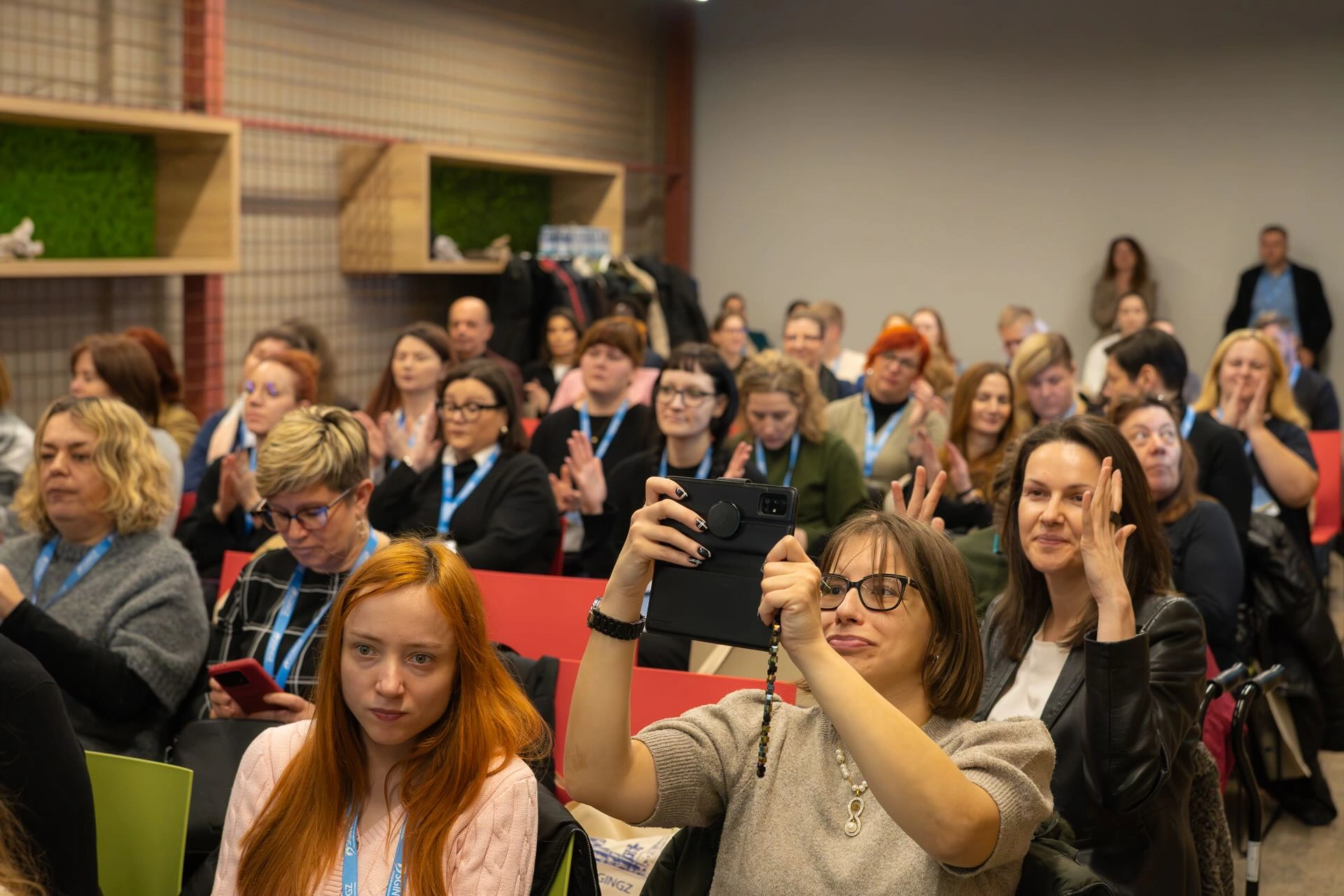
The event brought together a wide range of stakeholders, including representatives of institutions, organisations, and experts working in the fields of employment and inclusion. In addition, the conference had a strong international dimension, with five representatives from partner countries (Germany, Italy and Estonia) participating in the event. These included youth workers, educators, and project beneficiaries, who contributed valuable perspectives based on their experiences throughout the project.


The conference created a space for meaningful dialogue, exchange of practices, and reflection on the project’s achievements. Participants explored the key barriers that deaf and hard of hearing individuals face in accessing the labour market, such as communication challenges, limited accessibility, and structural inequalities. At the same time, the discussions emphasised the importance of inclusive policies, accessible workplaces, and tailored support measures.


A strong focus was placed on cooperation between public institutions, employers, and civil society organisations. Participants highlighted that only through joint efforts can sustainable and inclusive employment systems be developed as systems that recognise the skills, potential, and contributions of deaf and hard of hearing individuals.


The presence of international participants further enriched the discussions, allowing for cross-country exchange of experiences and approaches. Youth workers and educators shared practical insights on how to better support young people with hearing impairments in their transition to the labour market, while beneficiaries reflected on their personal journeys and the impact of the project.


As the final conference of the project, the event served not only as a platform for presenting results but also as an opportunity to reflect on lessons learned and future steps. The knowledge and practices shared during the conference strongly align with the objectives of the Taking Matters Into Our Own Hands: Employment and Entrepreneurship project, which continues to support the empowerment of deaf and hard of hearing youth through education, skills development, and accessible learning opportunities.
Testing Online Learning Course 2 in Germany: Advancing Inclusive Digital Learning

Testing Online Learning Course 2 in Germany: Advancing Inclusive Digital Learning

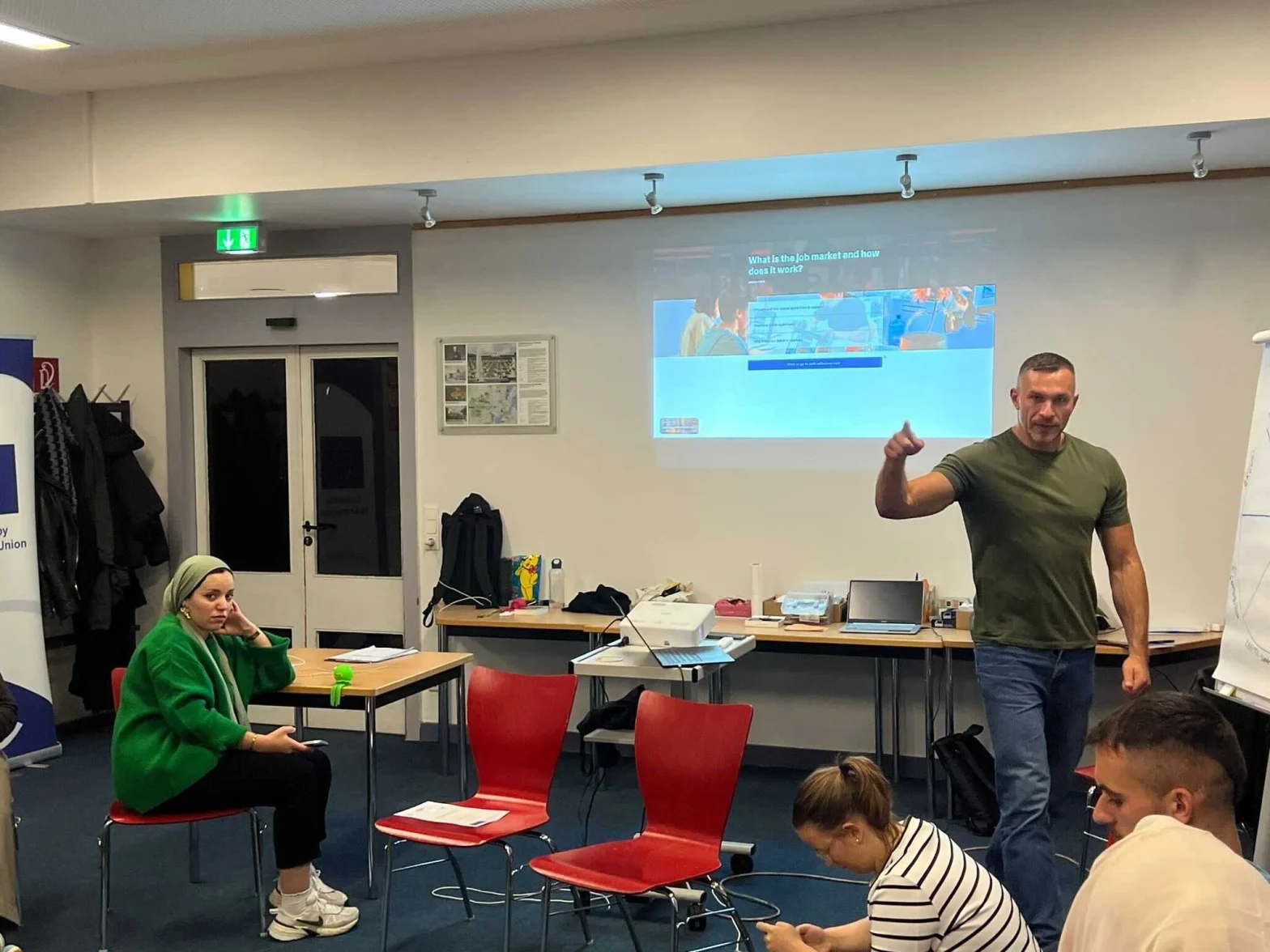
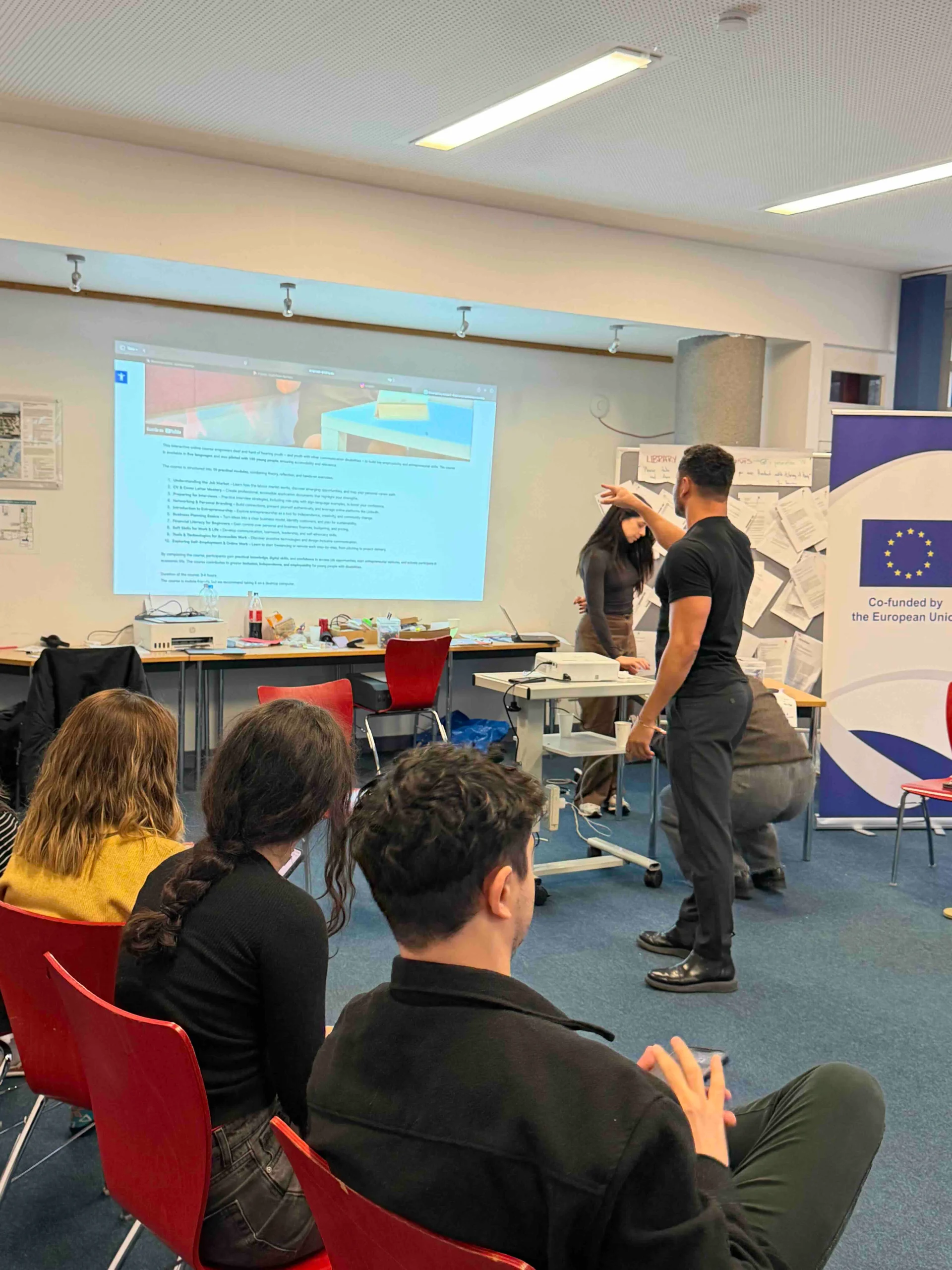
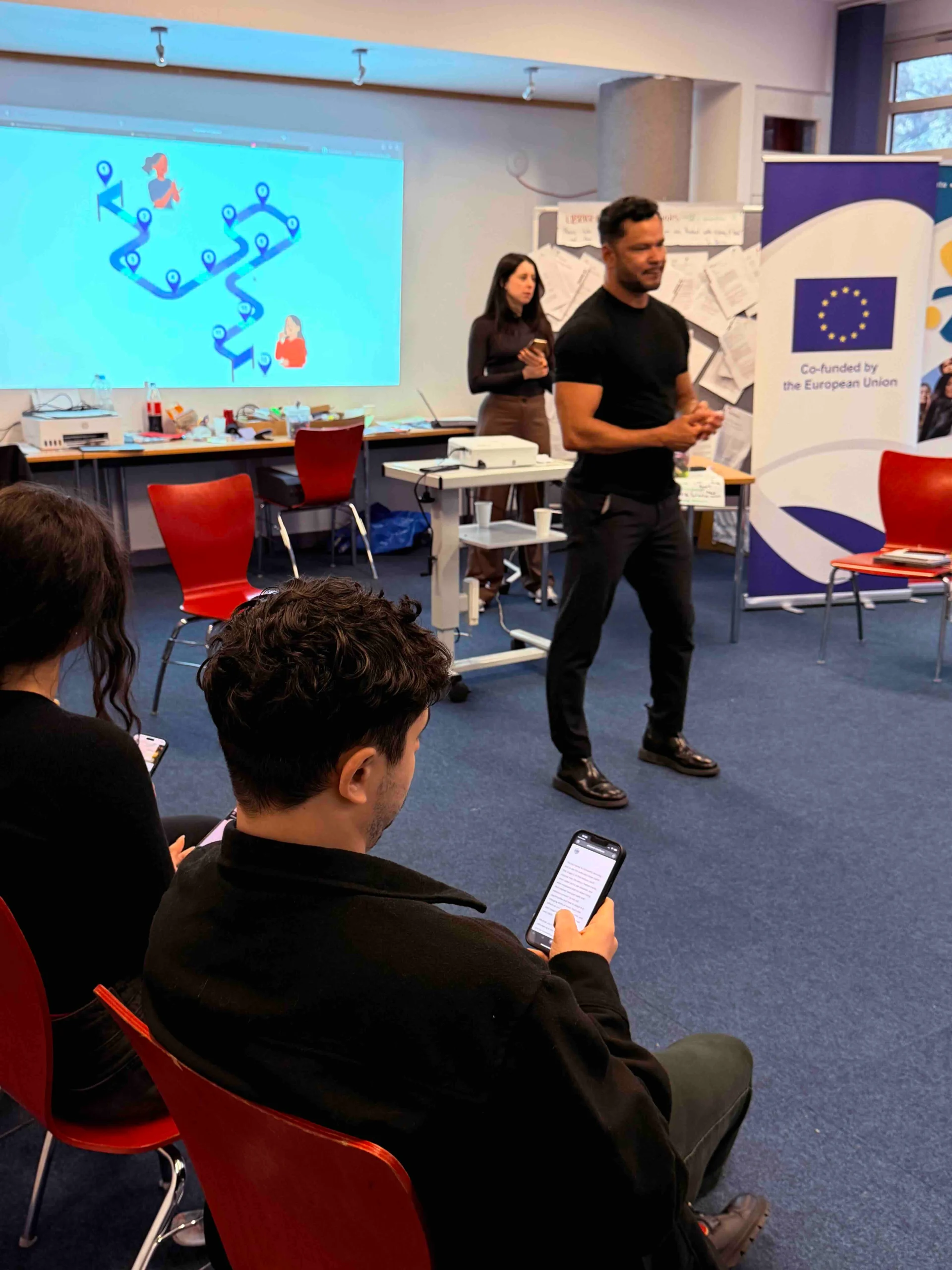
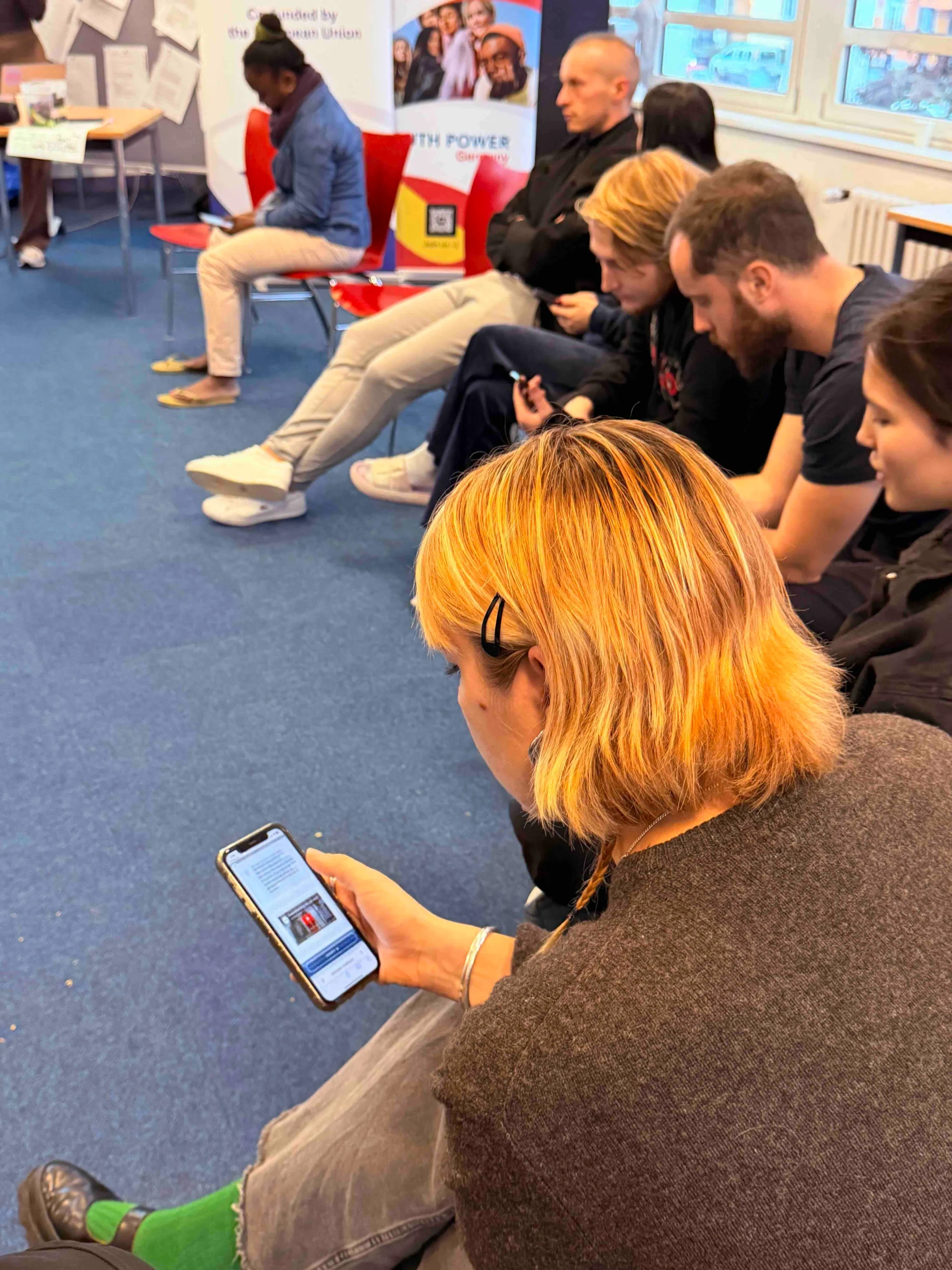
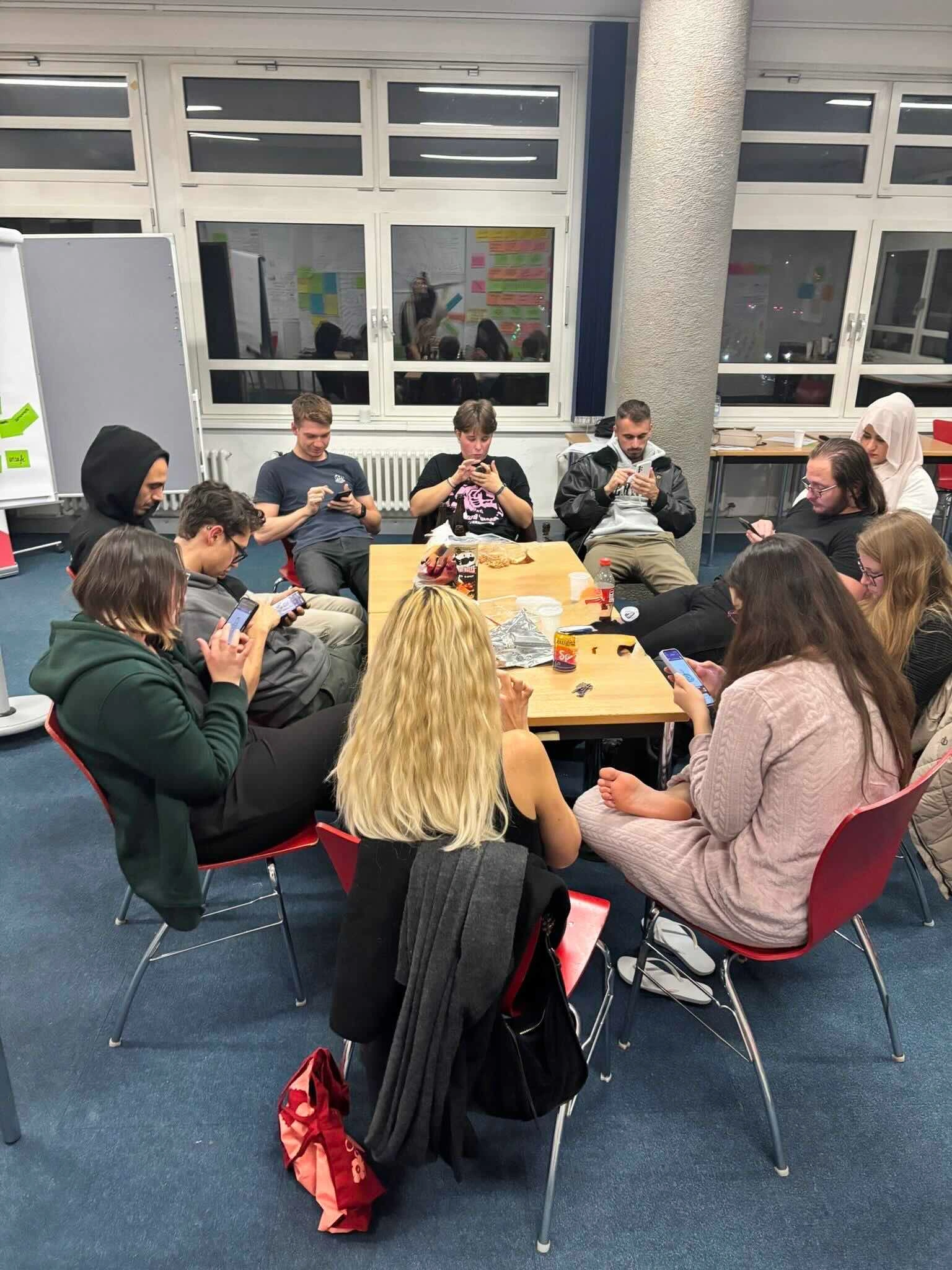
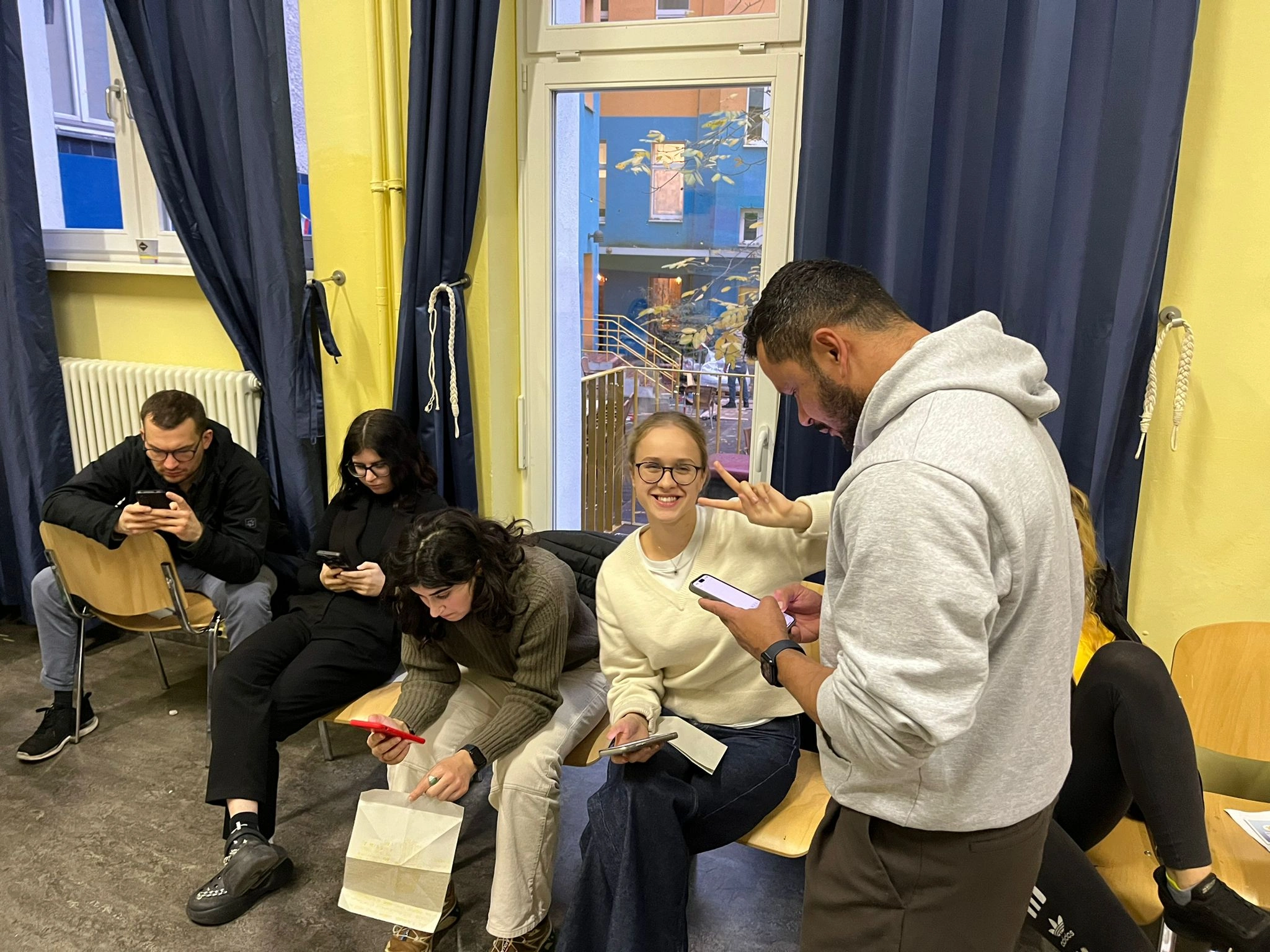
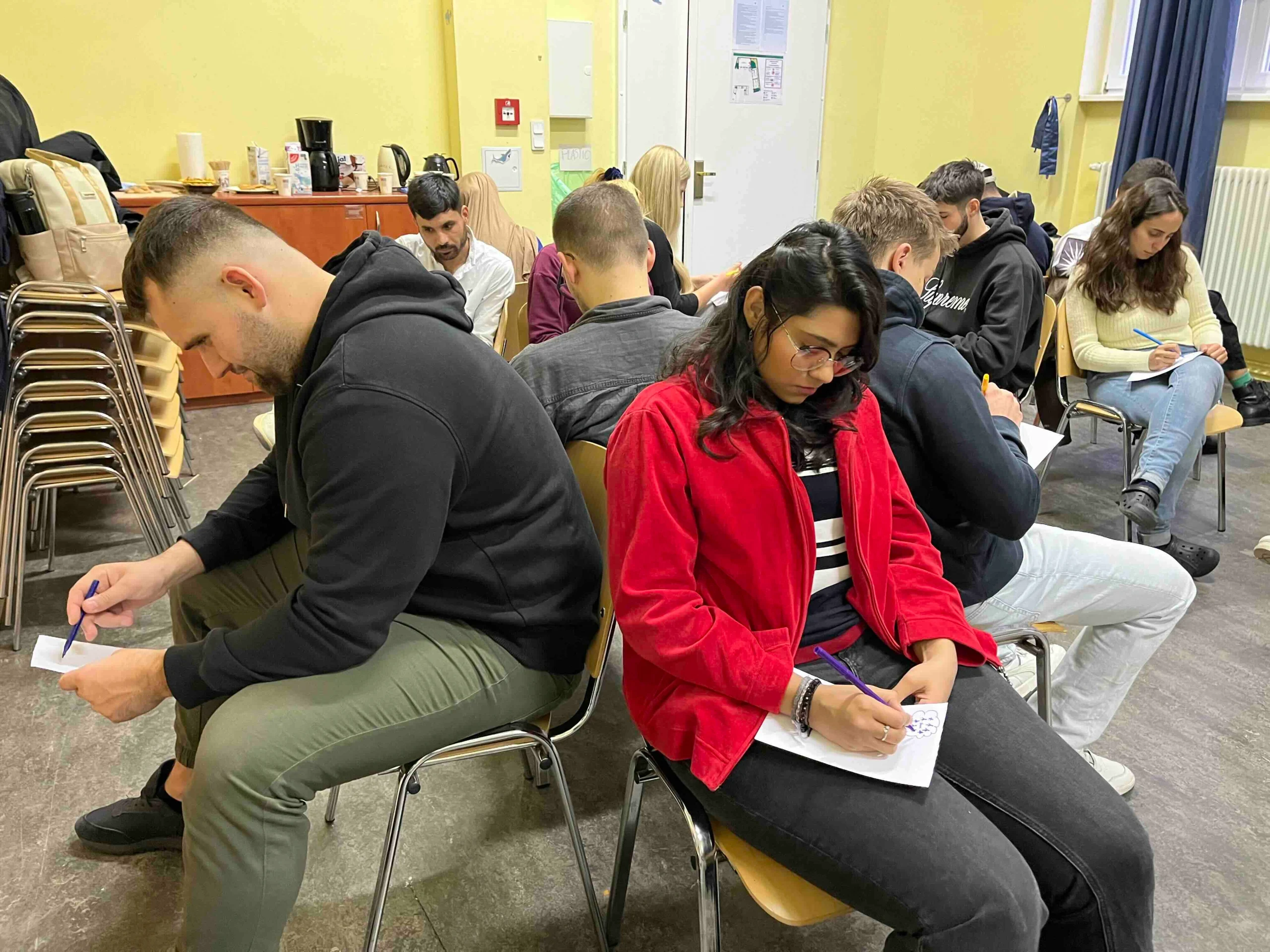
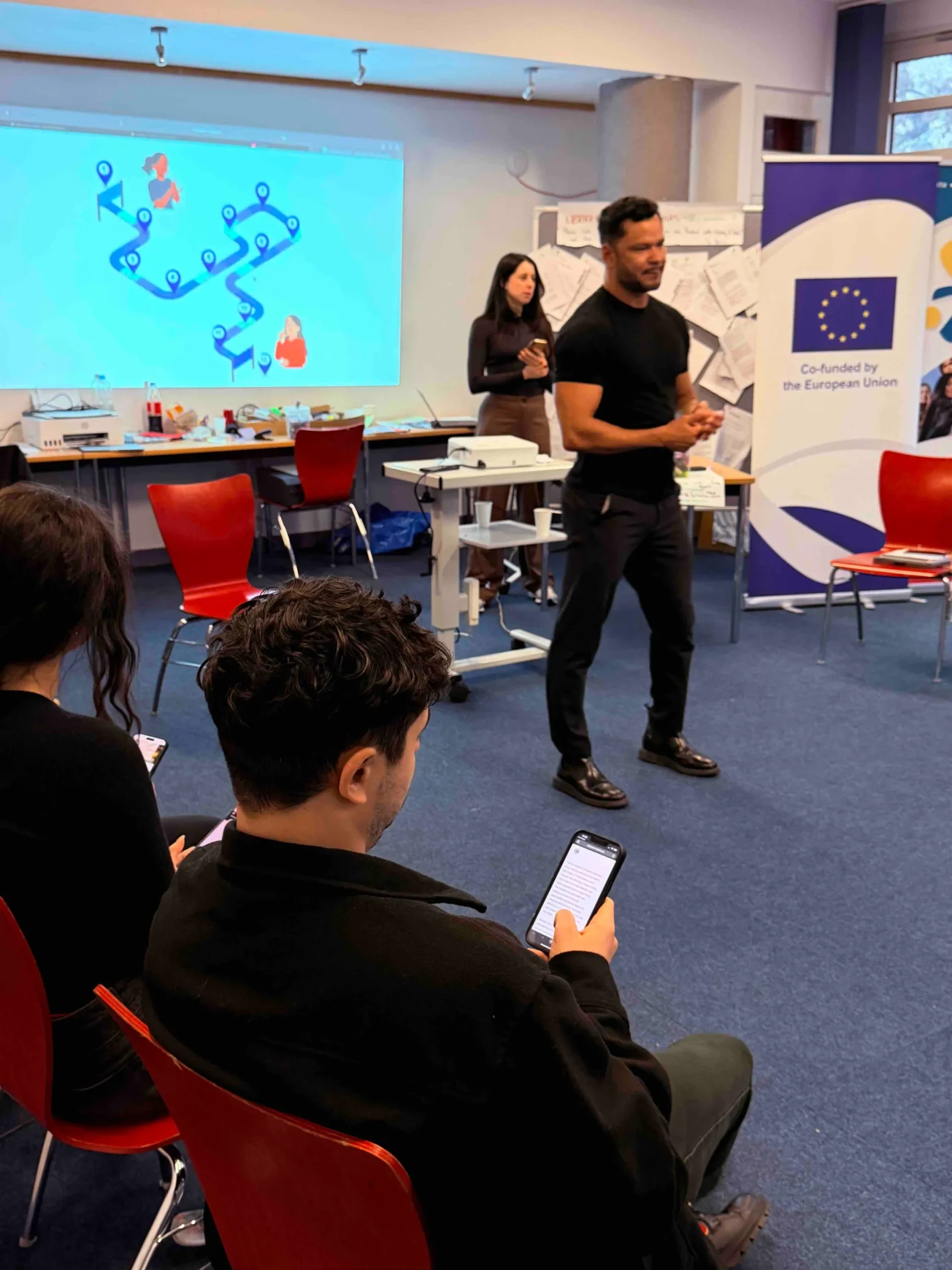
Youth Power Germany e.V. successfully conducted an in-person testing session of the second online learning course developed within the Taking Matters Into Our Own Hands: Employment and Entrepreneurship project. The session took place in Berlin and brought together 25 young participants, including deaf and hard of hearing youth, ensuring a strong focus on inclusion and accessibility.

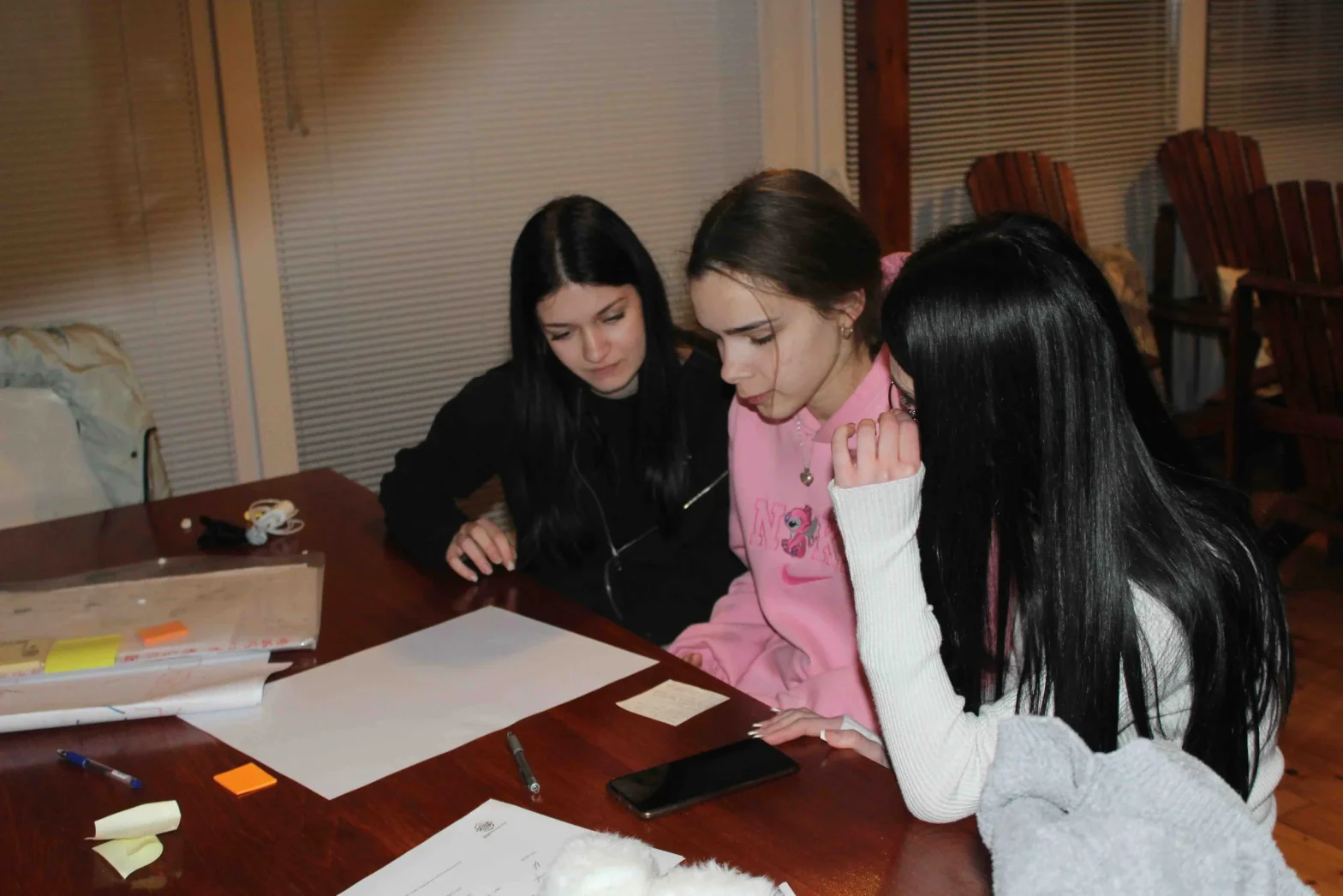
Participants were introduced to the course objectives, structure, and expected learning outcomes before being guided through the platform’s navigation and accessibility features. They were then invited to explore the modules independently, while facilitators observed usability, engagement, and overall learning experience.

A key strength of the session was its inclusive approach. To ensure equal participation, a range of accessibility measures were implemented, including AI-based live captioning tools, real-time transcription applications, and written instructions. Facilitators also used visual support tools and structured communication methods to ensure clarity and inclusivity throughout the session. This combination of technical and facilitation strategies significantly reduced communication barriers and supported active participation of deaf and hard of hearing participants.

Feedback from participants was highly positive, particularly regarding the clarity and relevance of the course content. Many highlighted that the modules were well-structured and easy to follow, while practical examples helped them connect the learning material to real employment situations. Interactive elements were also appreciated, as they contributed to maintaining engagement and focus throughout the course.

At the same time, participants provided constructive suggestions for improvement, mainly related to accessibility and user experience. These included integrating permanent subtitles into video materials, improving contrast between text and background, and adding a visible progress indicator to support navigation. Participants also suggested enhancing the accessibility tool with more customizable options, such as text resizing and contrast adjustments, as well as introducing a certificate upon course completion to increase motivation.

From a youth work and inclusion perspective, the session confirmed that combining accessible technology with adapted facilitation methods is essential for creating inclusive digital learning environments. The use of real-time transcription tools, written summaries, and visual aids proved particularly effective in supporting participation and understanding.

Testing Online Learning Course 2 in Croatia: Strengthening Accessibility and Inclusive Learning

Testing Online Learning Course 2 in Croatia: Strengthening Accessibility and Inclusive Learning

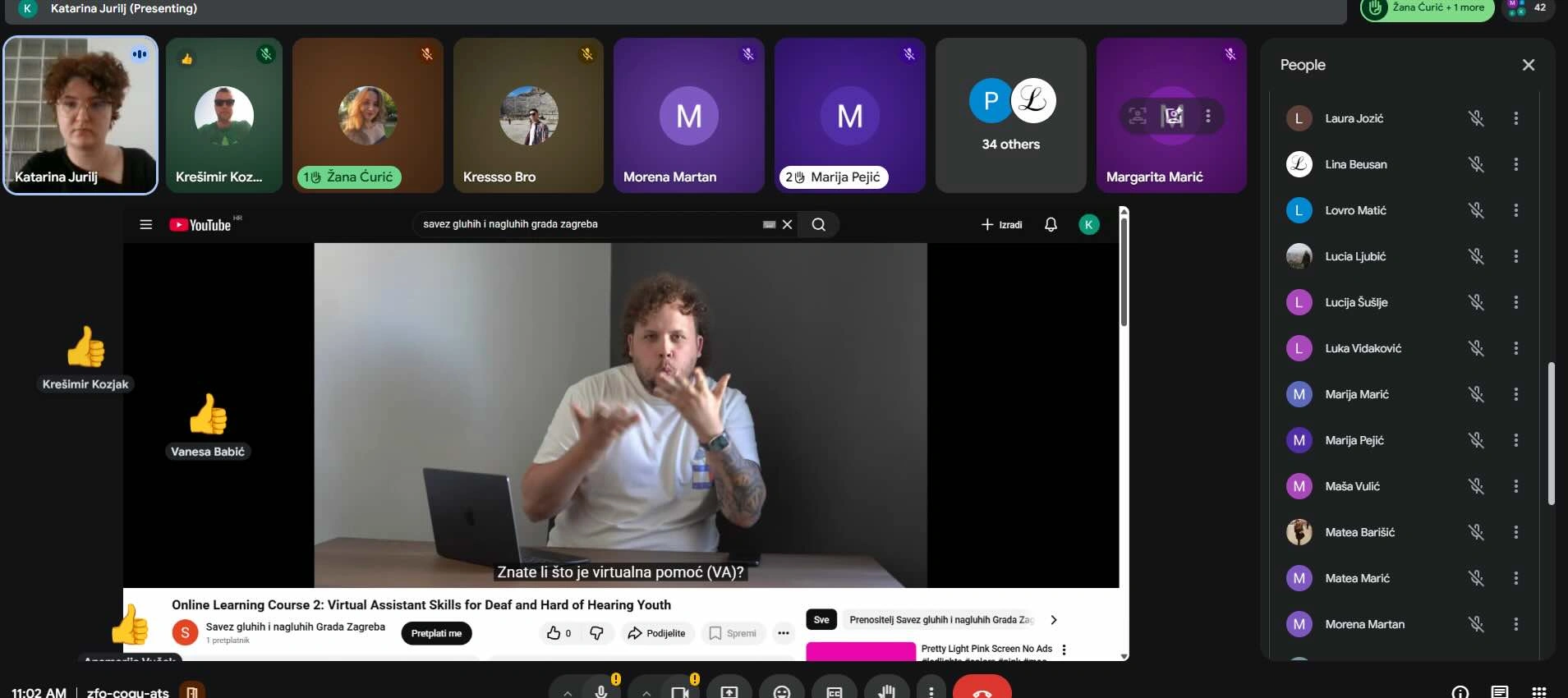
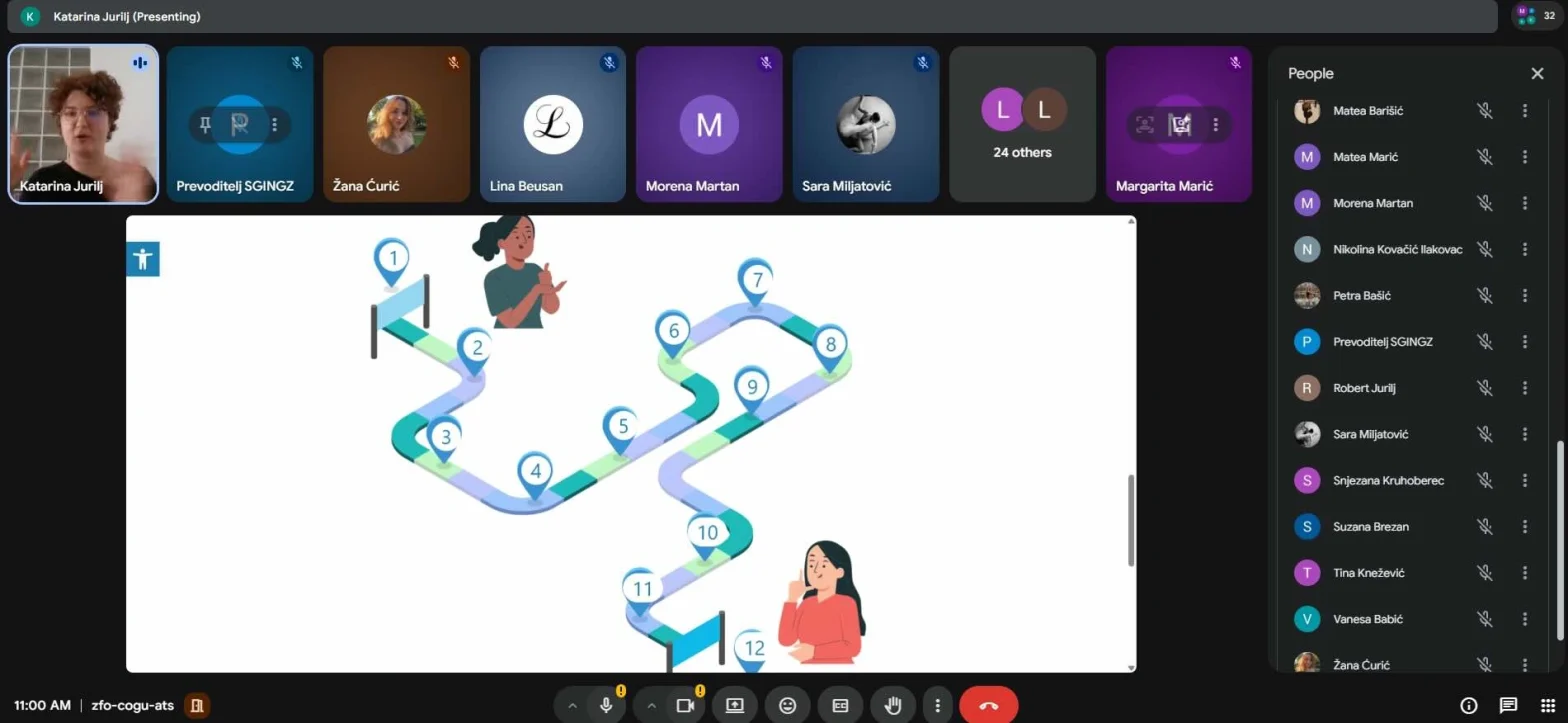
The second online learning course developed within the Taking Matters Into Our Own Hands: Employment and Entrepreneurship project was successfully tested in Croatia. The session was organised by Savez gluhih i nagluhih Grada Zagreba (SGINGZ) and brought together 42 participants, including deaf and hard of hearing youth as well as young people with communication difficulties.

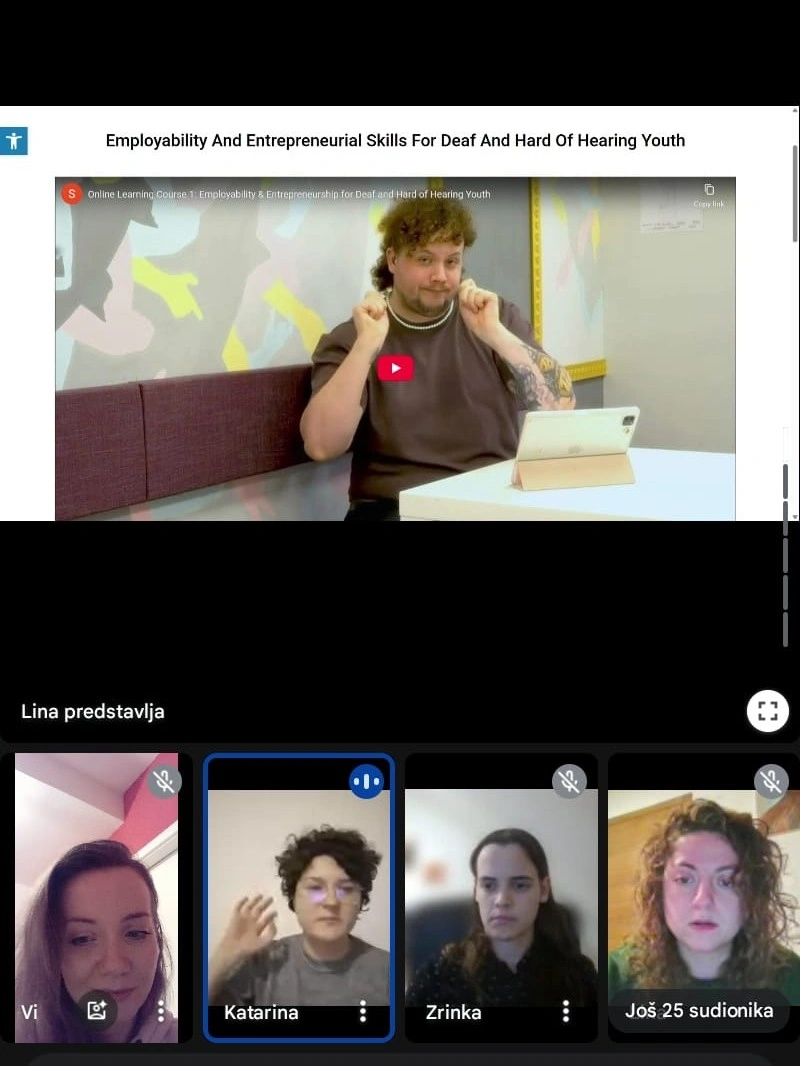
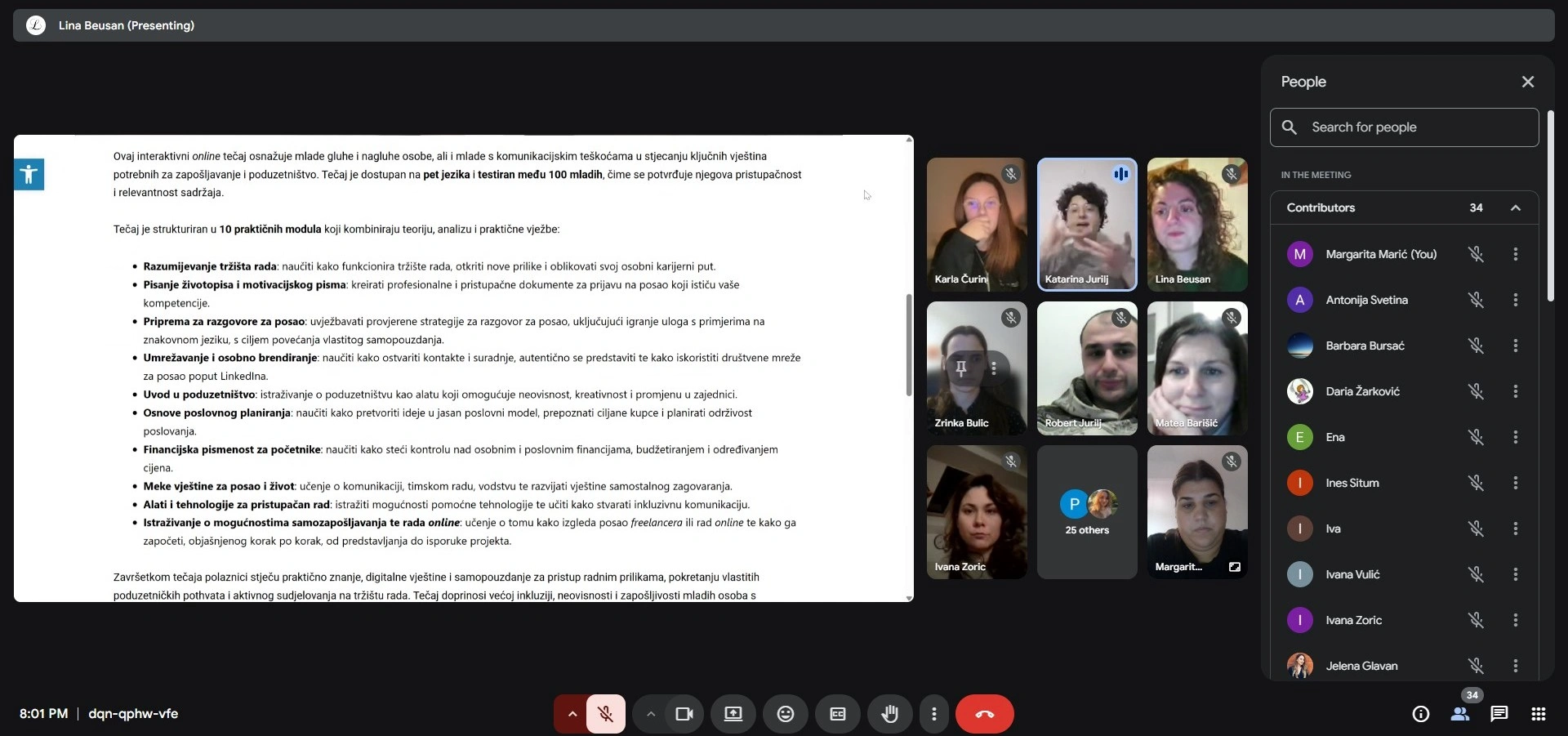
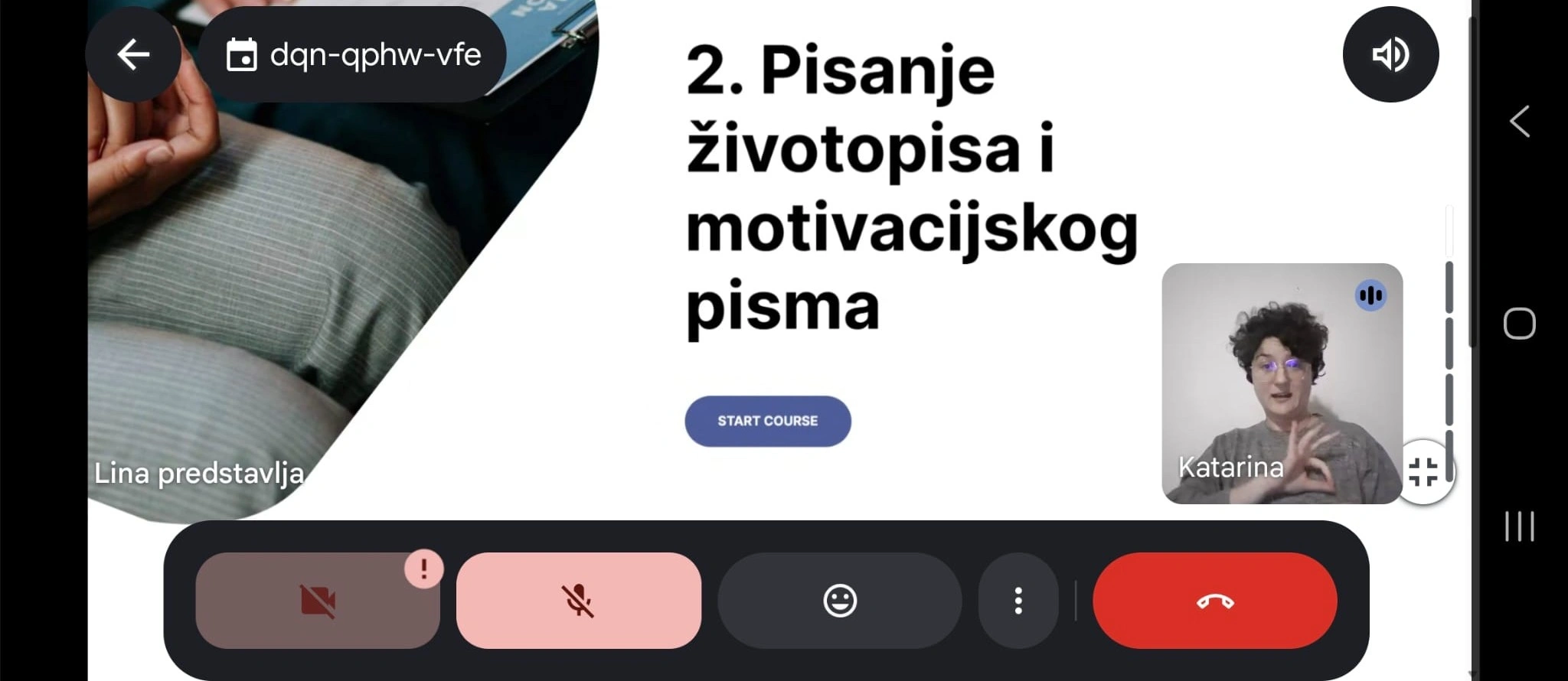
The testing session was conducted online, ensuring a highly accessible and inclusive learning environment. Communication was supported through multiple channels, including Croatian Sign Language interpretation, spoken language, and real-time transcription. Two sign language interpreters were present throughout the session, ensuring smooth and effective communication for all participants.

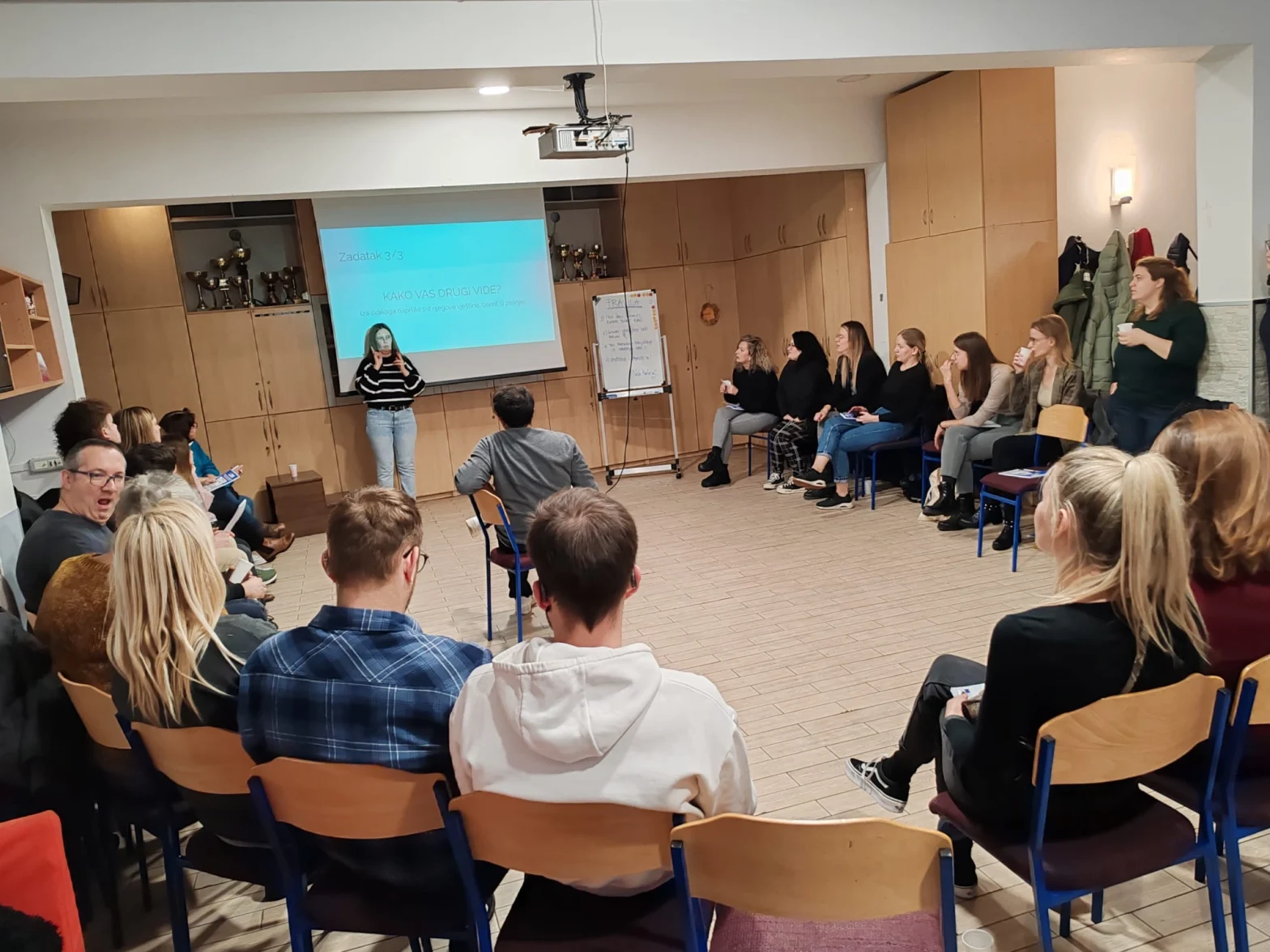
Participants were introduced to the course structure, objectives, and key topics before being given time to independently explore the modules. During this phase, they actively engaged with the content, asked questions, and interacted with facilitators. The session concluded with a group discussion focused on evaluating the relevance, usability, and accessibility of the course.

Feedback collected from participants indicated a high level of satisfaction with the course content. Most participants found the topics relevant, practical, and useful for their personal and professional development. The structure of the course was generally considered clear and logical, allowing users to navigate the modules with ease.

At the same time, the testing provided valuable insights into areas for improvement. Technical accessibility received slightly lower ratings compared to content and structure, with participants suggesting enhancements in navigation, readability, and overall usability. Participants also highlighted the need for clearer instructions, additional real-life examples, and more interactive elements such as quizzes and short exercises to further increase engagement.

Suggestions for improvement also included adding summaries at the end of modules to support learning, dividing longer sections into smaller units for better concentration, and providing additional learning resources for further exploration. These recommendations reflect the diverse needs of participants and underline the importance of continuous development.

Overall, the testing confirmed that Online Learning Course 2 is a valuable and relevant educational tool. Participants highlighted its clarity, practical approach, and ability to support reflection on their skills, interests, and employment opportunities. The feedback gathered during this session will play a key role in further refining the course, ensuring it becomes an even more accessible, engaging, and inclusive digital learning resource.
Testing Online Learning Course 1 in Germany: Strengthening Accessibility and User Experience

Testing Online Learning Course 1 in Germany: Strengthening Accessibility and User Experience

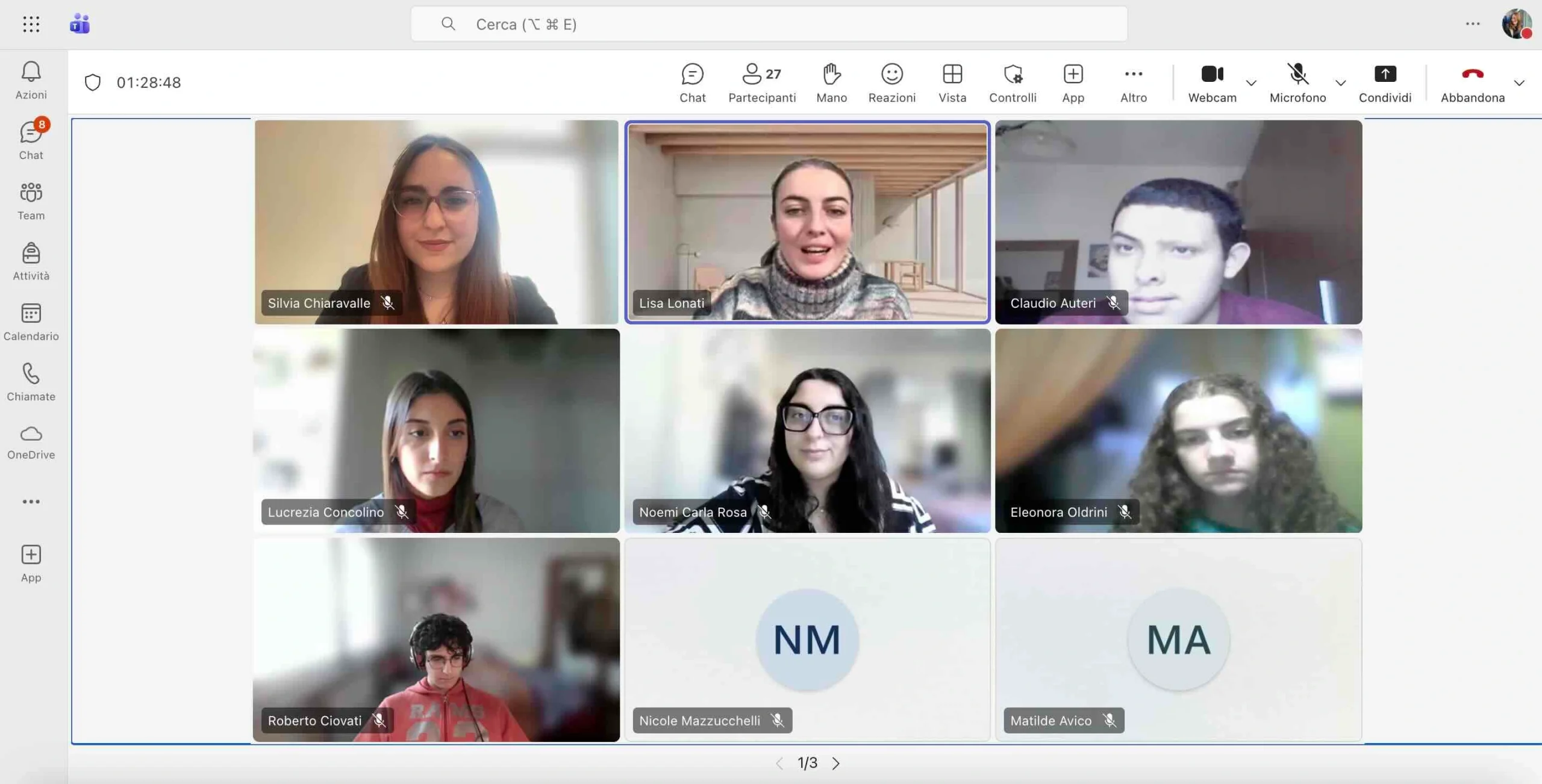
Youth Power Germany e.V. successfully conducted a testing session of the first online learning course developed within the Taking Matters Into Our Own Hands: Employment and Entrepreneurship project. The session brought together 23 young participants, including deaf and hard of hearing youth, creating an inclusive environment for evaluating the course’s content and functionality.

Participants were first introduced to the course objectives, structure, and learning approach. They were then invited to independently explore the modules, allowing facilitators to observe how users interact with the platform and identify potential accessibility challenges. To ensure inclusivity, the session incorporated mobile translation technologies and live captioning tools, enabling deaf and hard of hearing participants to fully engage with both the content and group discussions.

The feedback collected during the session highlighted a strong appreciation for the course’s content. Participants described it as engaging, informative, and easy to follow, noting that it helped them reflect on their career paths and develop new knowledge related to employment and entrepreneurship.

At the same time, the testing provided valuable insights into areas for improvement, particularly in terms of technical accessibility and user experience. Participants identified several aspects that could be enhanced, including text visibility, navigation clarity, and the functionality of accessibility features. Some noted that background images occasionally affected readability, while others pointed out inconsistencies across different devices.

Additional suggestions included introducing a visible progress indicator, improving the accessibility tool with features such as adjustable text size and contrast options, and adding subtitles or sign language elements to video materials. Participants also expressed interest in receiving a certificate upon course completion, which could further motivate engagement and provide added value.

From a youth work and inclusion perspective, these observations underline the importance of continuously adapting digital learning tools to meet diverse needs. The feedback clearly demonstrates that while the course is already relevant and impactful, further improvements can enhance its accessibility and usability for all learners.

Testing Online Learning Course 1 in Croatia: Advancing Accessible Digital Learning

Testing Online Learning Course 1 in Croatia: Advancing Accessible Digital Learning

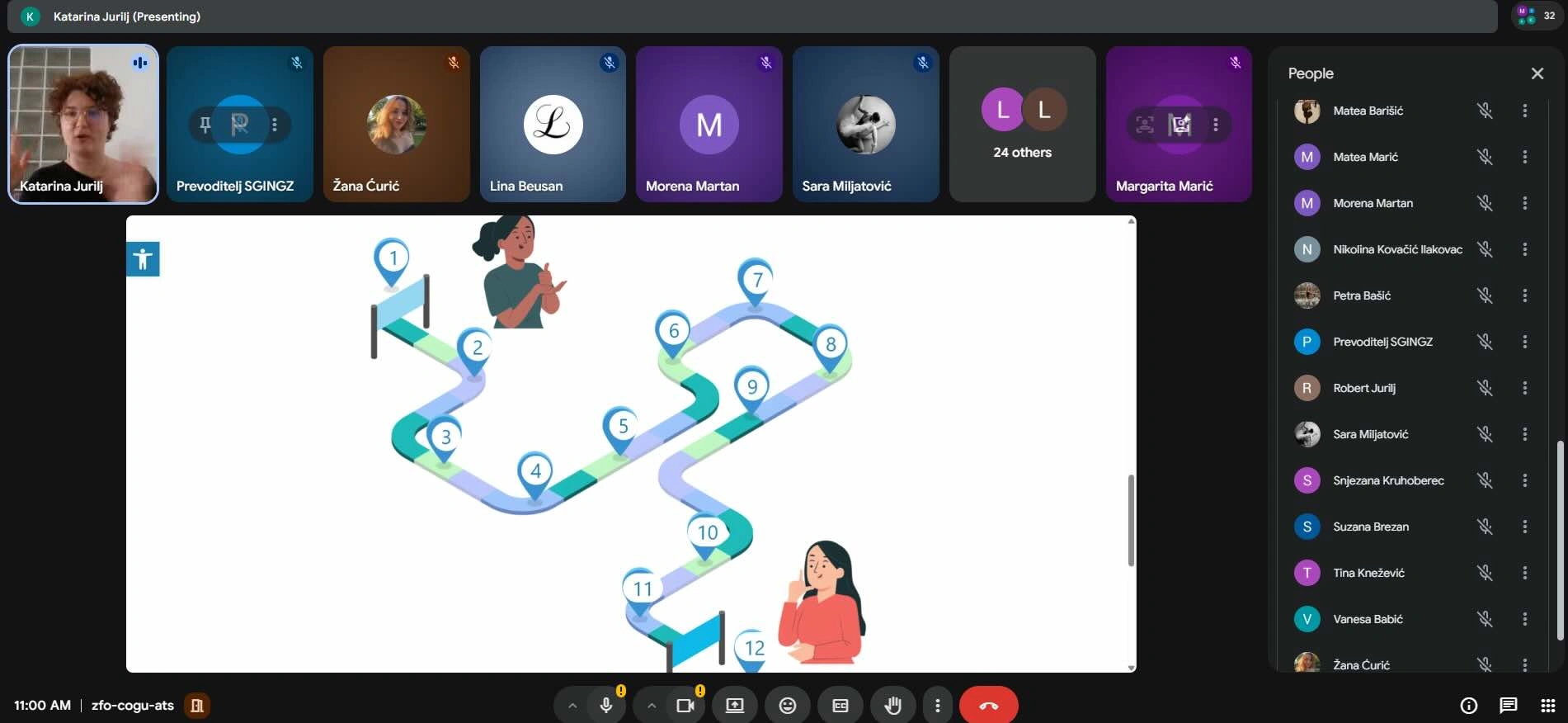
The first online learning course developed within the Taking Matters Into Our Own Hands: Employment and Entrepreneurship project was successfully tested. The session was organised by Savez gluhih i nagluhih Grada Zagreba (SGINGZ) and brought together 32 participants, including 26 deaf and hard of hearing young people.


The testing session was conducted online, providing participants with the opportunity to explore the course in an accessible and inclusive environment. Particular attention was given to ensuring equal access to communication, with the session delivered through Croatian Sign Language, supported by spoken interpretation and automatic transcription. This multi-channel approach enabled participants to follow the content in ways best suited to their individual communication preferences.


During the session, participants were introduced to the course structure, topics, and objectives, after which they independently explored the modules. This hands-on approach allowed them to engage directly with the content, test different activities, and raise questions with facilitators. The session concluded with a group discussion focused on the relevance, usability, and accessibility of the course.


Feedback collected from participants highlighted a high level of satisfaction with the course content and clarity. Most participants found the topics relevant and the materials easy to understand, confirming the quality and accessibility of the learning design. The course structure was generally considered logical and well-organized, although some participants suggested that further improvements could enhance navigation between modules.


At the same time, the testing provided valuable insights into areas for improvement, particularly in relation to technical accessibility. Participants highlighted the need for improvements in readability, visual design, and device compatibility. Suggestions included increasing font size, enhancing visual clarity, and ensuring greater technical stability. Some participants also expressed the need for additional guidance within tasks, such as providing solutions to support learning and self-assessment.


Another important finding was related to how well the course meets participants’ individual needs. While many found the course useful and relevant, feedback indicated that further adaptation could help better address the diverse expectations and learning preferences of deaf and hard of hearing youth.


Overall, the testing of Online Learning Course 1 represents an important step in developing accessible and inclusive digital education. The insights gathered through this process will directly inform further improvements, ensuring that the course becomes more user-friendly, engaging, and responsive to the needs of its target group.

Testing Online Learning Course 1 in Italy: Practical Skills for Career Preparation

Testing Online Learning Course 1 in Italy: Practical Skills for Career Preparation

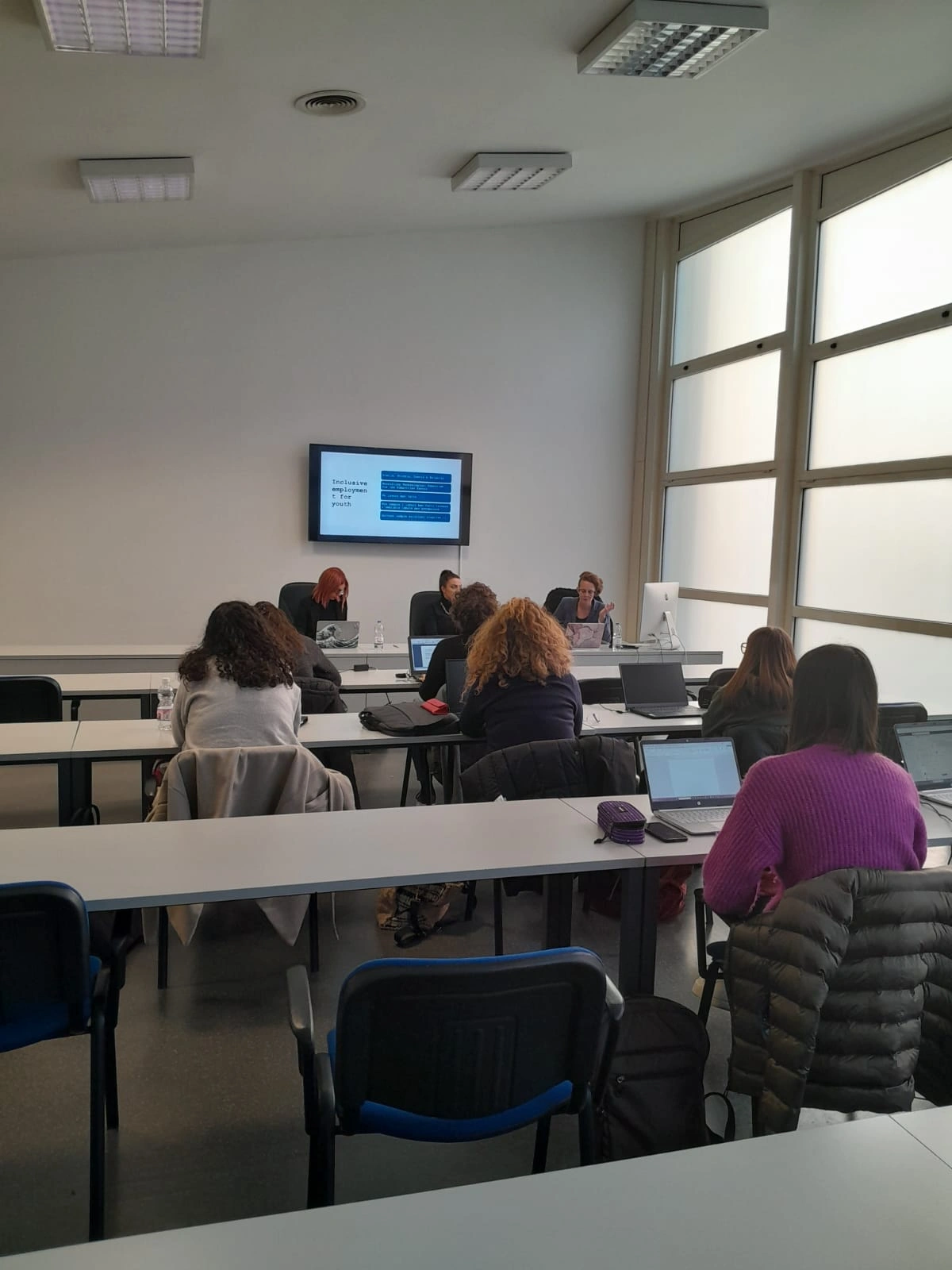
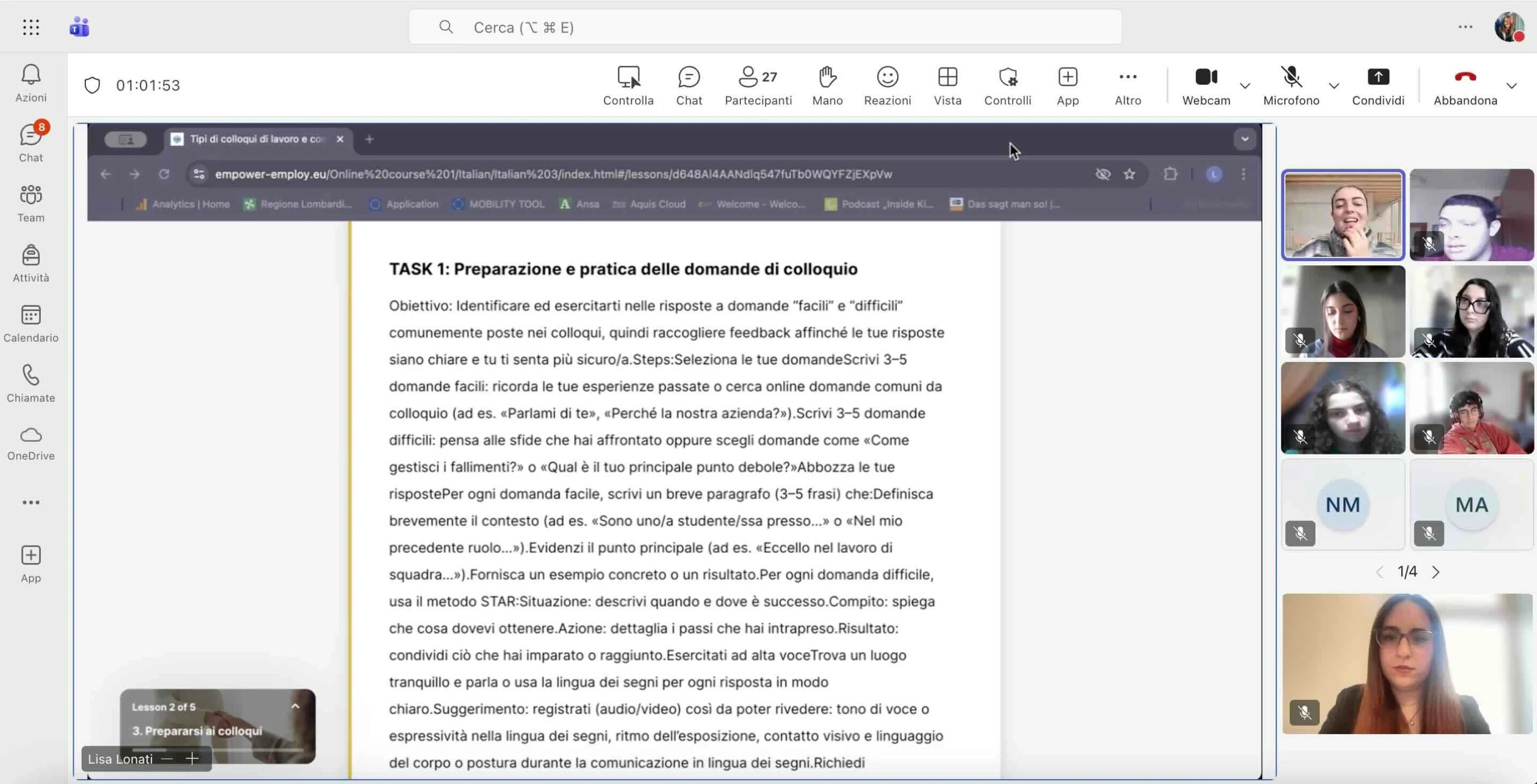
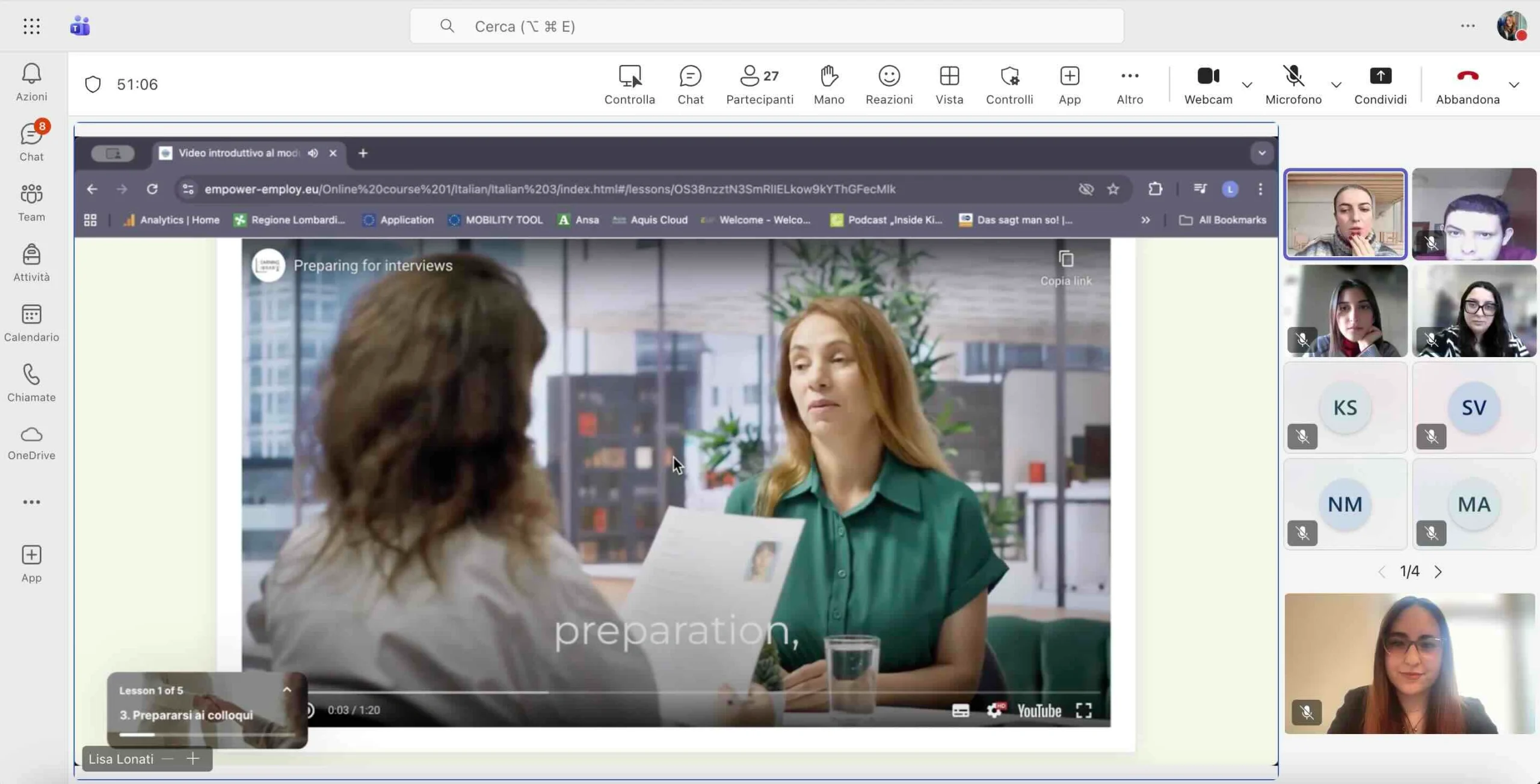
Istituto Universitario Carolina Albasio successfully organised a testing session of the first online learning course developed within the Taking Matters Into Our Own Hands: Employment and Entrepreneurship project. The session engaged 26 young participants, supported by two facilitators, in exploring and evaluating the course content in an interactive online environment.

The session began with an introduction to the project objectives and the purpose of the online learning platform. Participants were then guided through the course structure and invited to explore the modules independently, allowing them to form their first impressions of the content and navigation.

Following this individual exploration, participants collectively focused on Module 3: Preparing for Interviews. Together with the facilitators, they navigated the module, discussed practical examples, and completed hands-on activities. The session concluded with a reflective exercise in which participants applied the techniques learned by presenting themselves, reinforcing their understanding through practice.

Feedback from participants was highly positive, particularly regarding the structure and presentation of the course. Many appreciated the clear division of content into short, manageable modules, which made the learning process feel organised and accessible. The inclusion of real-life examples—especially those related to job interviews—was highlighted as particularly useful, helping participants connect theoretical knowledge with real-world situations. The visual design of the course was also praised for being modern, engaging, and easy to navigate.

At the same time, the testing provided valuable suggestions for improvement. Some participants noted that certain pages loaded slowly, while others expressed the need for automatic progress saving to avoid repeating sections. Additional recommendations included incorporating more short videos or animations to enhance engagement and providing downloadable templates or examples to support practical tasks.

Overall, participants found the course highly relevant, practical, and especially useful for beginners preparing to enter the labour market. Many shared that they were positively surprised by how closely the content reflected their own experiences and future aspirations.

An important outcome of the session is the continued engagement of participants, who expressed strong interest in further involvement in the project. They committed to completing all modules of the course independently and providing additional feedback, particularly on the interview preparation module. Participants also plan to further develop their presentations and CVs using the knowledge gained, reinforcing their learning through continued practice.

The testing session in Italy confirmed the strong potential of Online Learning Course 1 as a valuable educational tool. It represents an important step in ensuring that the course is not only

Testing the Toolkit in Italy: Blending Online and In-Person Learning Experiences

Testing the Toolkit in Italy: Blending Online and In-Person Learning Experiences

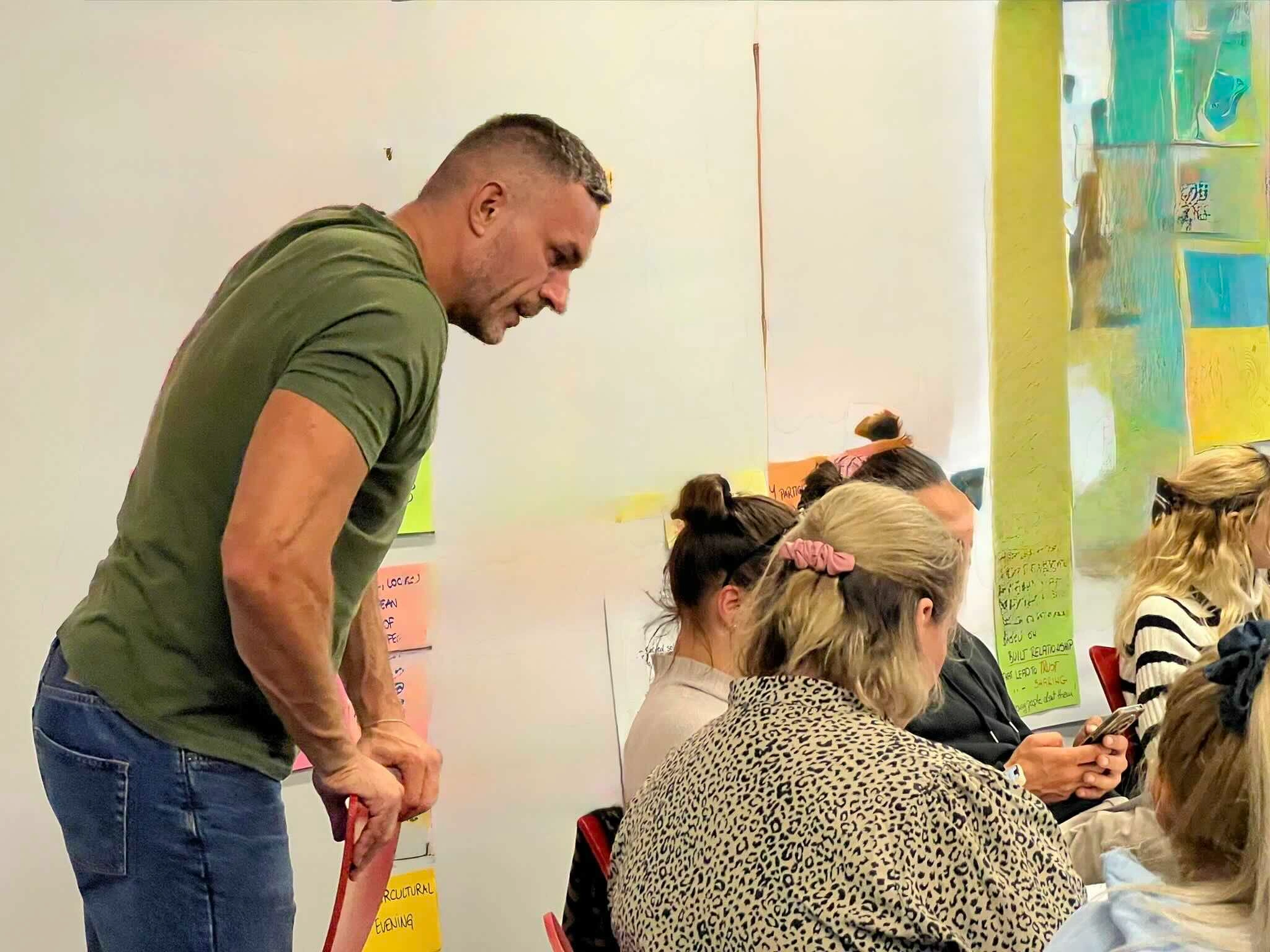
In December 2024, two local workshops were successfully implemented in Italy as part of the Taking Matters Into Our Own Hands: Employment and Entrepreneurship project. Organised by Istituto Universitario Carolina Albasio, the workshops focused on testing the project’s toolkit through a combination of online and in-person learning formats.

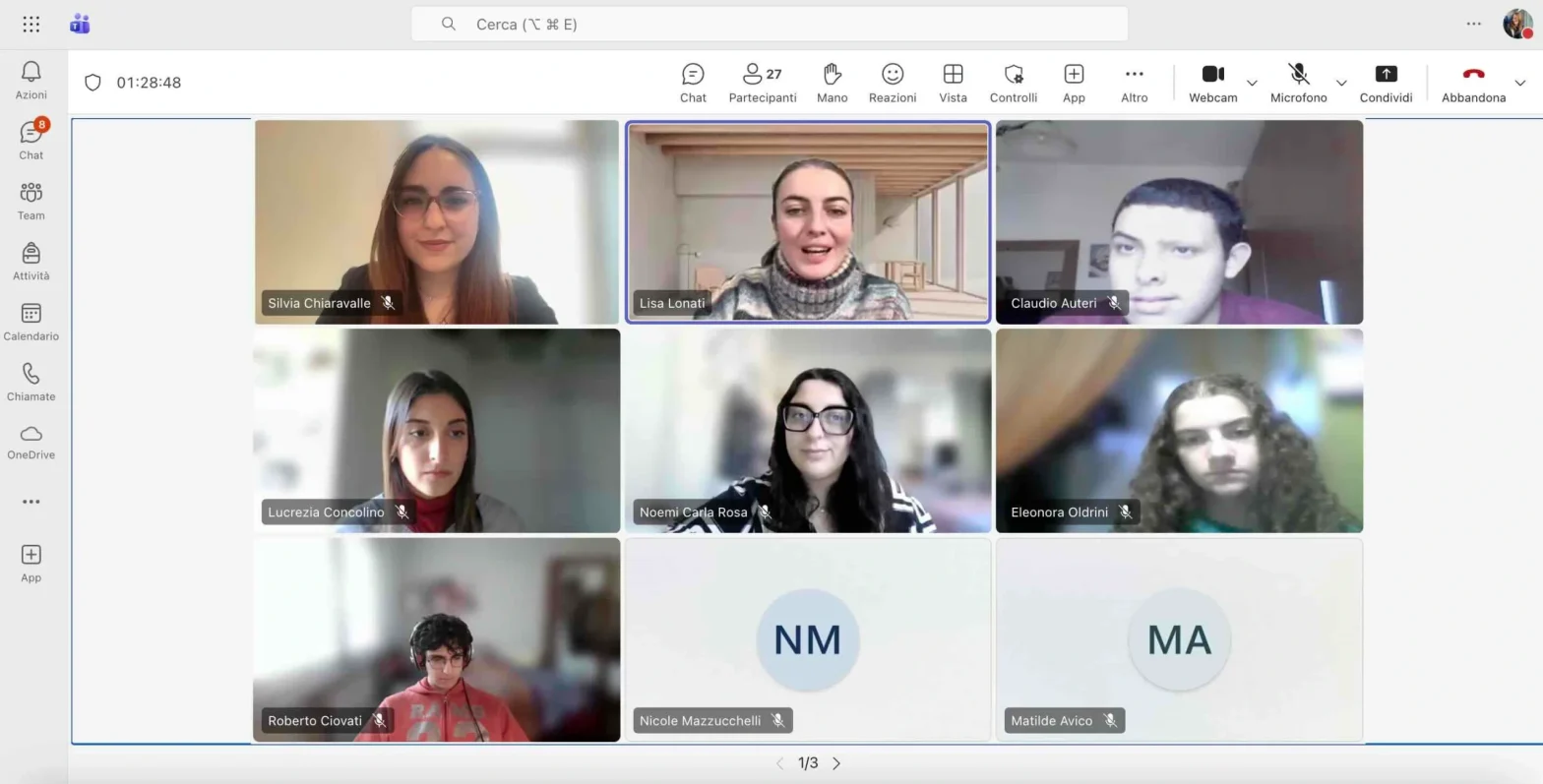
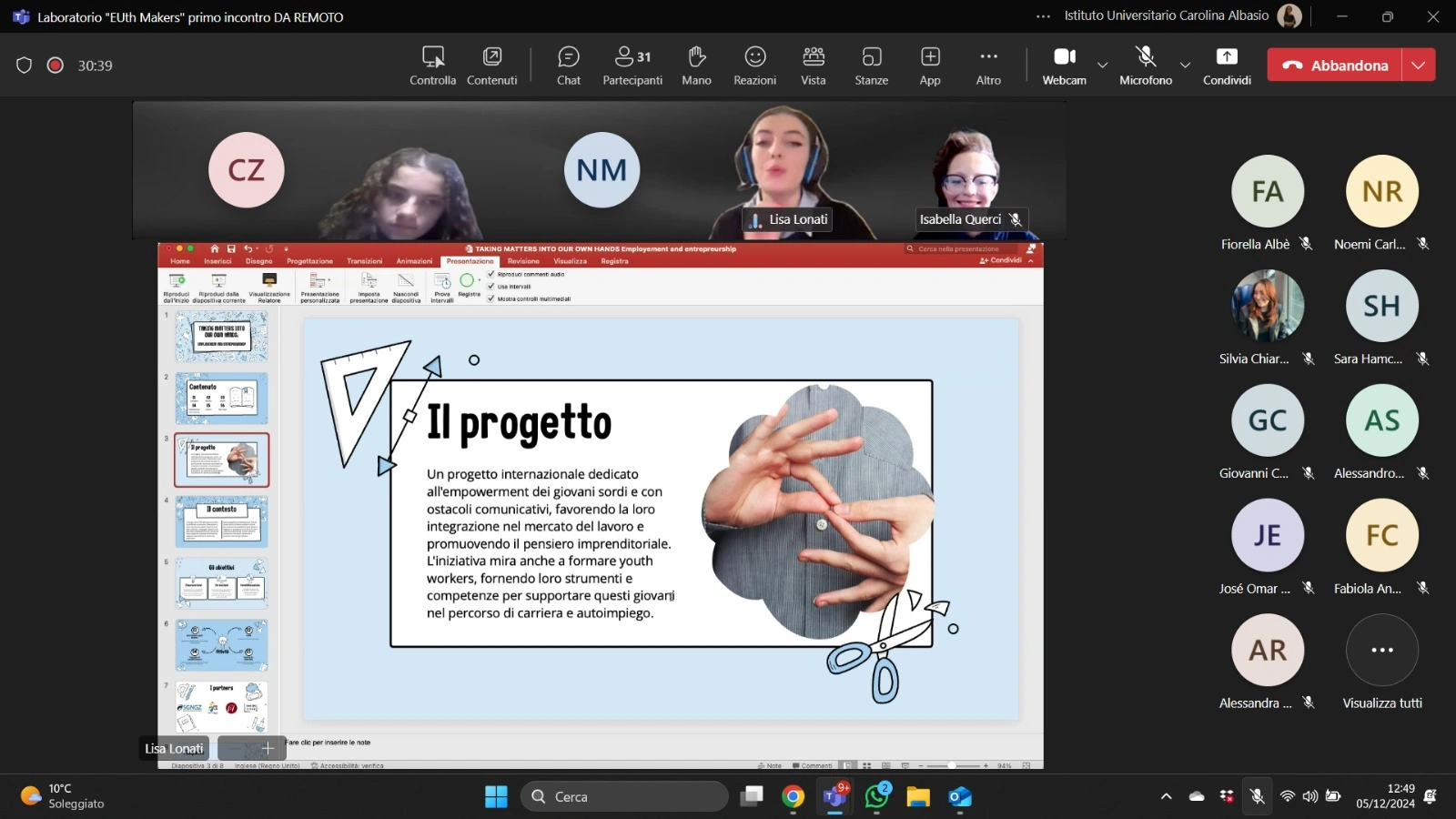
The workshops took place on 5 and 17 December, engaging more than 40 participants from diverse backgrounds. The first session was held online via Microsoft Teams, while the second took place in Castellanza, Italy, allowing participants to benefit from both digital and face-to-face learning environments.


The activities were designed to strengthen key competences related to employability and entrepreneurship, with a particular focus on networking, communication, and creative problem-solving. During the online session, participants explored effective networking strategies, learning how to build professional relationships and present themselves confidently. Through role-playing and interactive exercises, they practiced these skills in realistic scenarios, including a dynamic “networking speed dating” activity.


The second workshop expanded on these foundations, with a strong focus on communication and innovation.

Participants developed leadership communication skills such as active listening, public speaking, and conflict resolution through practical role-play exercises. Creative thinking was further enhanced through a design sprint activity, where participants worked in teams to develop innovative solutions to real-world challenges.


Entrepreneurial thinking was encouraged through engaging activities such as pitching creative ideas for everyday objects, helping participants strengthen their ability to present and market concepts effectively. Throughout both sessions, participants collaborated closely, exchanged ideas, and reflected on their learning experiences.


Feedback collected after the workshops confirmed a high level of satisfaction among participants, particularly in relation to the trainers’ expertise, clarity of delivery, and the practical relevance of the activities. Participants especially appreciated group brainstorming and interactive discussions, highlighting the value of hands-on learning approaches.


These workshops in Italy represent an important step in validating the project’s toolkit, demonstrating its effectiveness in real learning environments. The insights gathered will contribute to further refining the materials, ensuring they meet the needs of both young people and educators, and support the development of essential skills for employment and entrepreneurship.

Testing the Toolkit in Germany: Interactive Workshops Strengthen Youth Skills

Testing the Toolkit in Germany: Interactive Workshops Strengthen Youth Skills

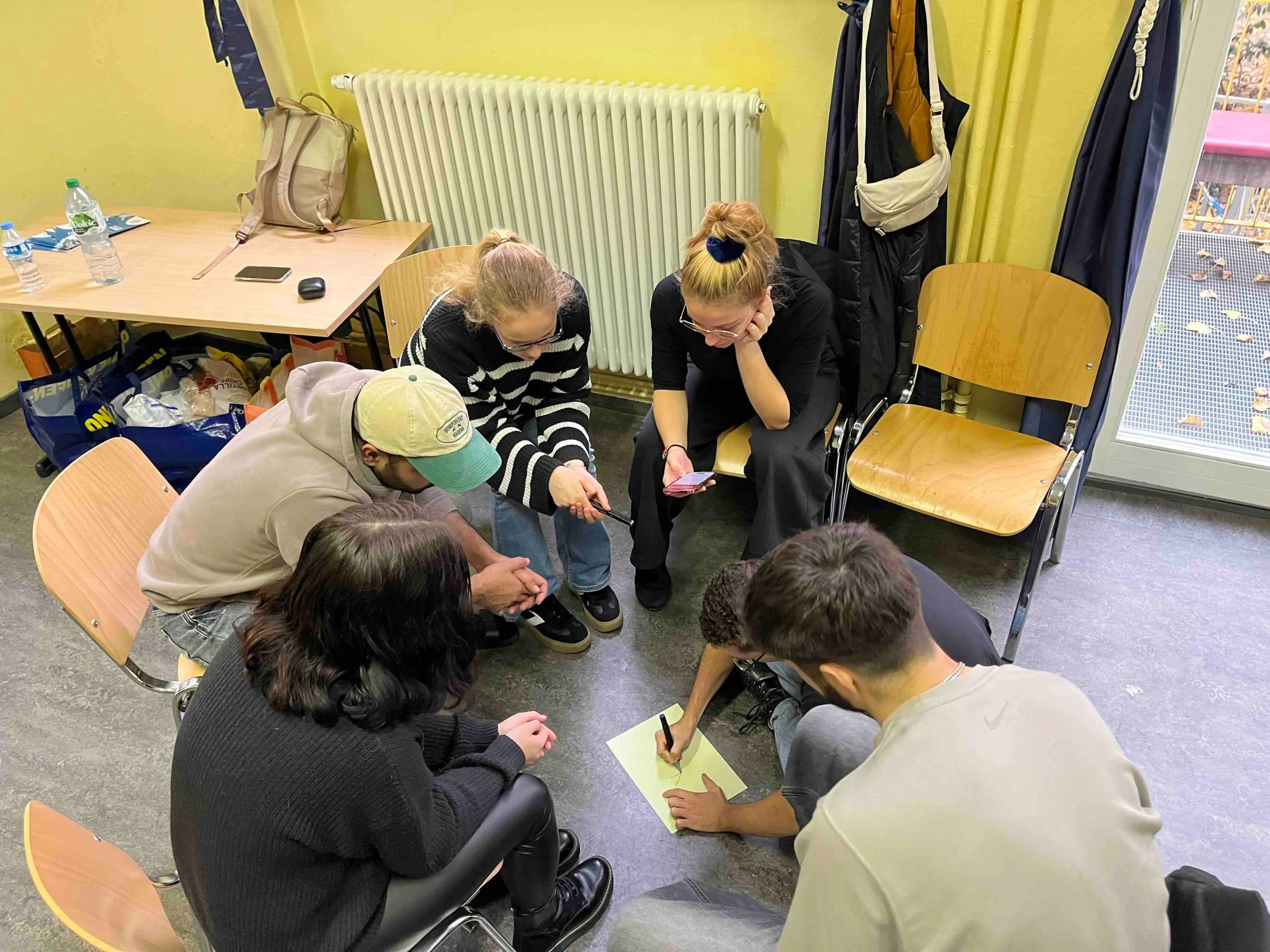
In December 2024, local workshops were successfully organised in Berlin, Germany, as part of the Taking Matters Into Our Own Hands: Employment and Entrepreneurship project. Hosted by Youth Power Germany e.V., the workshops focused on testing the project’s newly developed toolkit in a dynamic and practical learning environment.

Held on 13 and 27 December, the two full-day sessions brought together more than 30 young participants from diverse and often marginalized backgrounds. The workshops aimed to enhance their employability and entrepreneurial competences through interactive, hands-on activities and non-formal education approaches.

The programme combined a variety of engaging methods designed to support skill development. During the first workshop, participants explored creative problem-solving techniques, applying tools such as mind mapping and SCAMPER to generate innovative ideas. Communication and leadership skills were further developed through role-play exercises, where participants practiced conflict resolution and effective self-expression.

Additional activities encouraged quick thinking and collaboration, including fast-paced brainstorming sessions and open discussion formats that ensured inclusive participation and exchange of perspectives. The day concluded with reflection, allowing participants to connect their learning to real-life situations.

The second workshop focused on networking, entrepreneurial thinking, and design processes. Through a “networking speed dating” activity, participants strengthened their interpersonal skills and confidence in presenting themselves. Creative exercises such as developing and pitching ideas for random products encouraged innovation and teamwork, while a design thinking session introduced participants to structured approaches for solving real-world challenges.

Throughout both workshops, participants actively collaborated, shared experiences, and reflected on their learning progress. The interactive structure of the sessions ensured high engagement and provided valuable insights into how the toolkit functions in practice.

Feedback from participants confirmed the effectiveness of the activities, highlighting their practical relevance, creativity, and applicability in everyday and professional contexts. The workshops also provided important input for further refining the toolkit, ensuring it responds to the real needs of young people and educators.

These local workshops in Germany represent a key step in validating the project’s toolkit, contributing to its overall goal of empowering young people (especially those facing barriers) with the skills and confidence needed to navigate employment and entrepreneurial pathways.

Testing the Toolkit in Estonia: Interactive Learning for Entrepreneurial Skills

Testing the Toolkit in Estonia: Interactive Learning for Entrepreneurial Skills

In December 2024, local workshops were successfully implemented in Estonia as part of the Taking Matters Into Our Own Hands: Employment and Entrepreneurship project. The workshops focused on testing the project’s toolkit through a series of interactive and engaging learning activities aimed at strengthening participants’ entrepreneurial competences.

The two-day piloting session brought together young participants who actively engaged in non-formal education methods, combining practical exercises, teamwork, and reflection. The workshops created a supportive and inclusive environment, encouraging participants to explore ideas, collaborate, and develop new skills.

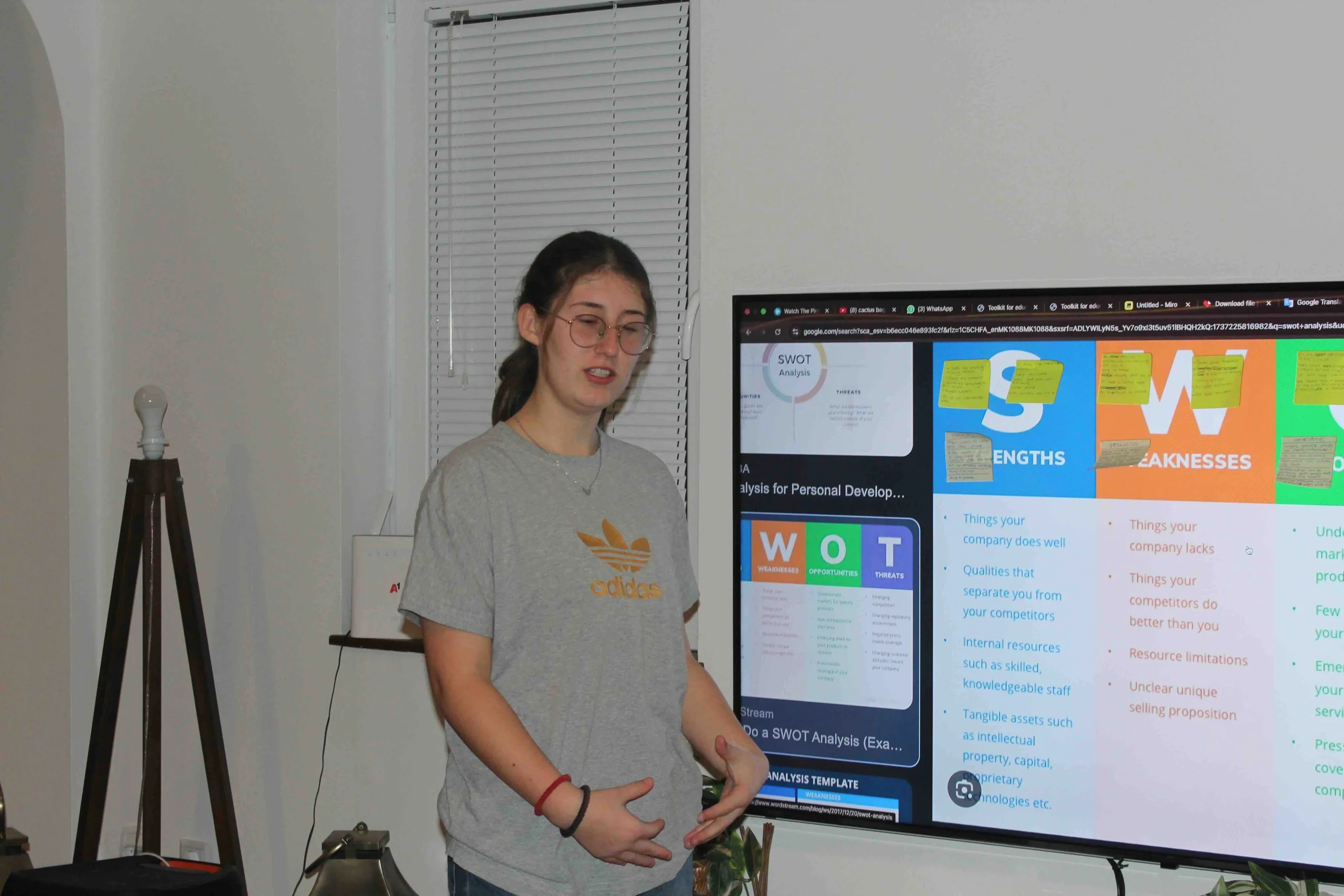
During the first day, participants focused on idea generation and business development. Through structured activities, they explored creative thinking techniques and learned how to refine their ideas into more concrete concepts. This was followed by a session on business planning, where participants gained insight into how to structure and develop a simple business plan. The day concluded with a reflection session, allowing participants to share their impressions and key learnings.

The second day placed a strong emphasis on networking, collaboration, and strategic thinking. Participants engaged in a dynamic networking activity that encouraged communication and connection-building in a fun and interactive way. This was followed by a hands-on session using the Business Model Canvas, where participants worked in teams to further develop and structure their business ideas.

Throughout the workshops, participants highlighted the value of interactive and collaborative learning. Activities involving teamwork, games, and practical exercises were particularly appreciated, as they made the learning process more engaging and inclusive. Participants also noted that the workshops provided them with new knowledge and skills, while creating a space where they felt actively involved.

Feedback collected during the sessions provided valuable insights for further improving the toolkit. While participants responded very positively overall, some suggested balancing written tasks with more interactive elements and expressed interest in participating in similar workshops in the future.

The workshops in Estonia represent an important step in testing and refining the project’s toolkit, ensuring that it remains practical, engaging, and responsive to the needs of young people. At the same time, they contribute to the broader goal of empowering youth with the skills, confidence, and knowledge needed to pursue employment and entrepreneurial opportunities.
Putting the Toolkit into Practice: Local Workshops in Croatia

Putting the Toolkit into Practice: Local Workshops in Croatia

In December 2024, two full-day local workshops were successfully organised in Zagreb as part of the Taking Matters Into Our Own Hands: Employment and Entrepreneurship project. Hosted by the Association of Deaf and Hard of Hearing of the City of Zagreb, the workshops brought together more than 40 deaf and hard of hearing young people, creating a dynamic space for learning, collaboration, and skill development.

The workshops, held on 7 and 14 December, focused on testing the project’s toolkit: a set of ready-to-use materials designed for youth workers and educators to support the development of employability and entrepreneurial competences among young people with communication barriers.

Throughout the sessions, participants engaged in a variety of interactive and practical activities. The first workshop focused on communication and creativity, with participants developing pitching skills through exercises such as elevator pitches and group presentations. They also explored inclusive design, learning how to generate ideas for accessible products and services while applying design thinking principles.
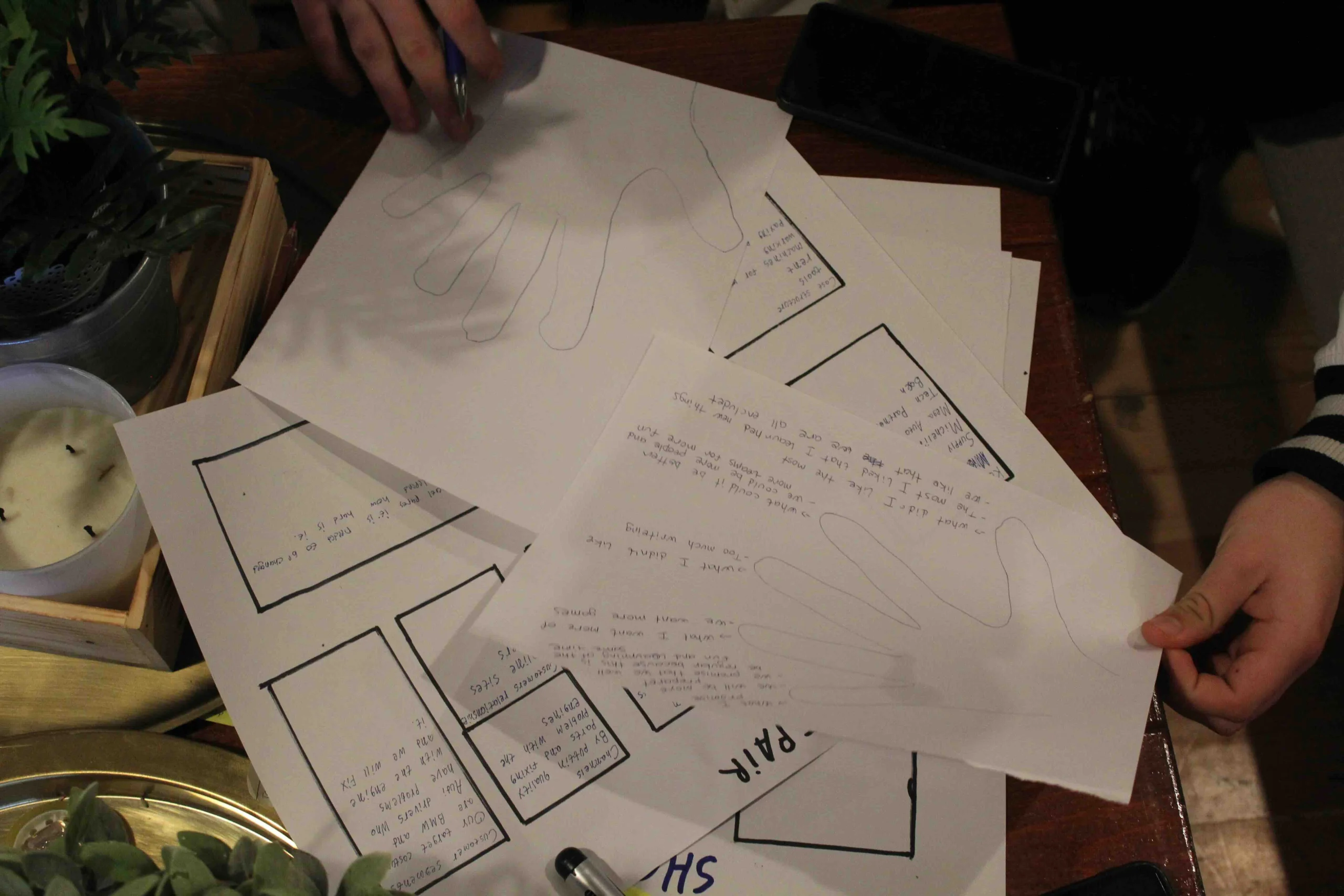
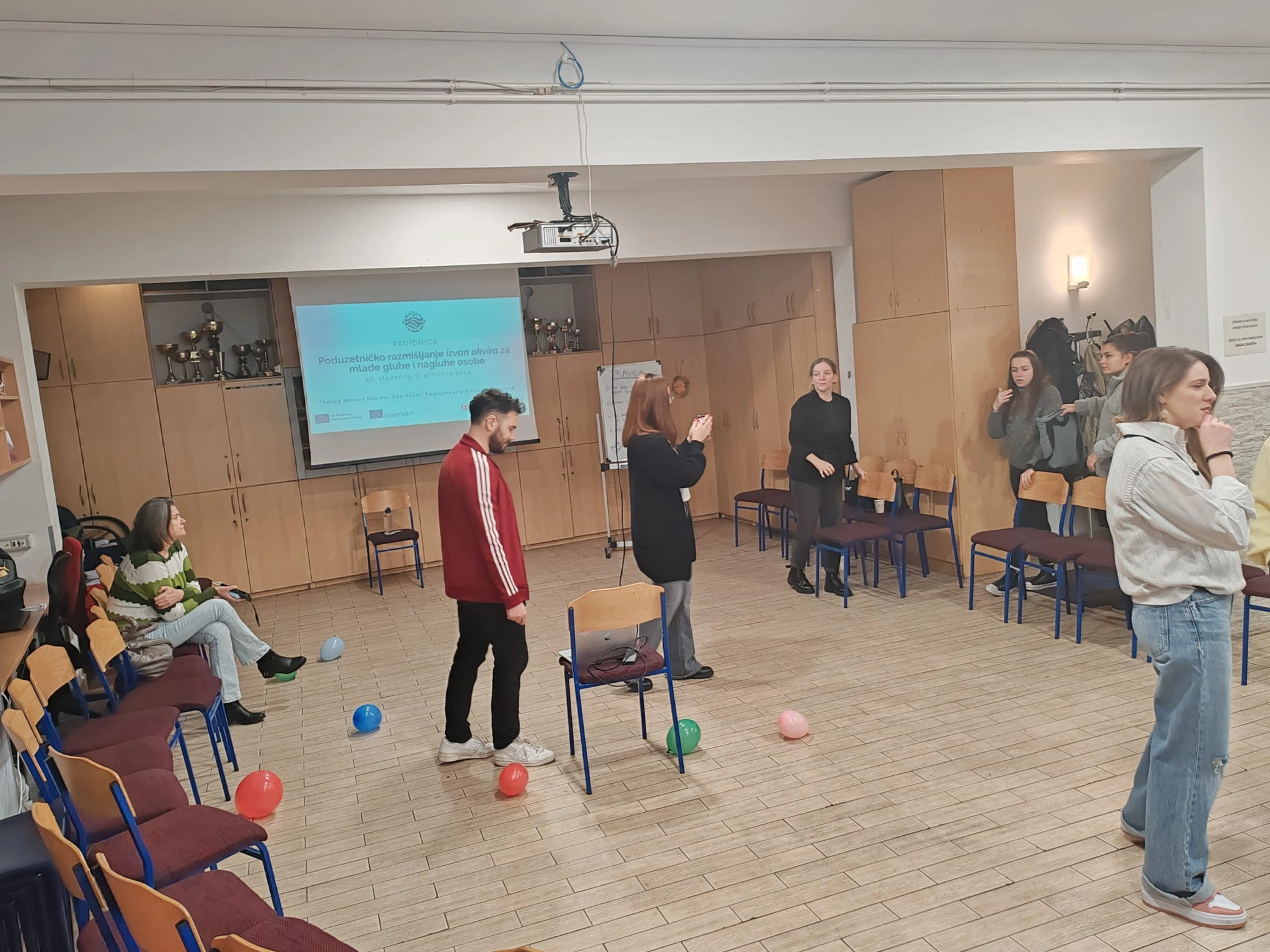
The second workshop shifted focus toward financial literacy and teamwork. Through role-playing real-life financial scenarios, participants practiced budgeting, decision-making, and resource management. They further strengthened their understanding of financial concepts by creating simple financial plans and participating in a quiz-based learning activity. Teamwork and collaboration were explored through hands-on challenges, including problem-solving tasks and an engaging escape room activity.

Both workshops were designed using non-formal education methods, ensuring active participation and experiential learning. Participants worked in groups, shared ideas, and reflected on their learning, strengthening not only their professional competences but also their communication and teamwork skills.
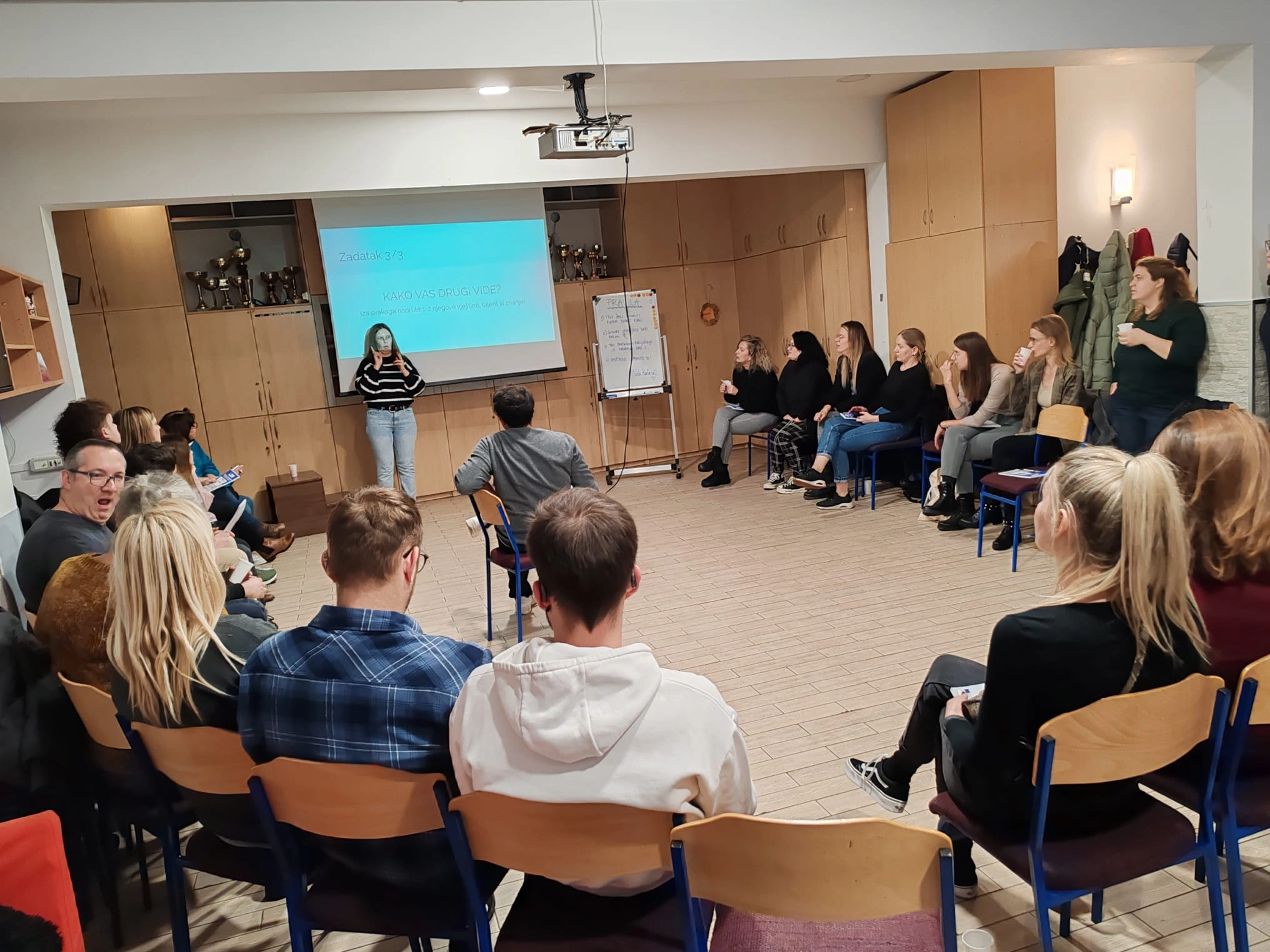
Feedback from participants was highly positive, with many highlighting the practical nature of the activities and the opportunity to apply new knowledge in real-life situations. The workshops confirmed the relevance and effectiveness of the developed toolkit, providing valuable insights for its further improvement.

These local activities represent an important step in empowering deaf and hard of hearing youth by equipping them with skills for employment and entrepreneurship, while also supporting youth workers and educators with innovative and inclusive tools.