In December 2024, local workshops were successfully implemented in Estonia as part of the Taking Matters Into Our Own Hands: Employment and Entrepreneurship project. The workshops focused on testing the project’s toolkit through a series of interactive and engaging learning activities aimed at strengthening participants’ entrepreneurial competences.
The two-day piloting session brought together young participants who actively engaged in non-formal education methods, combining practical exercises, teamwork, and reflection. The workshops created a supportive and inclusive environment, encouraging participants to explore ideas, collaborate, and develop new skills.
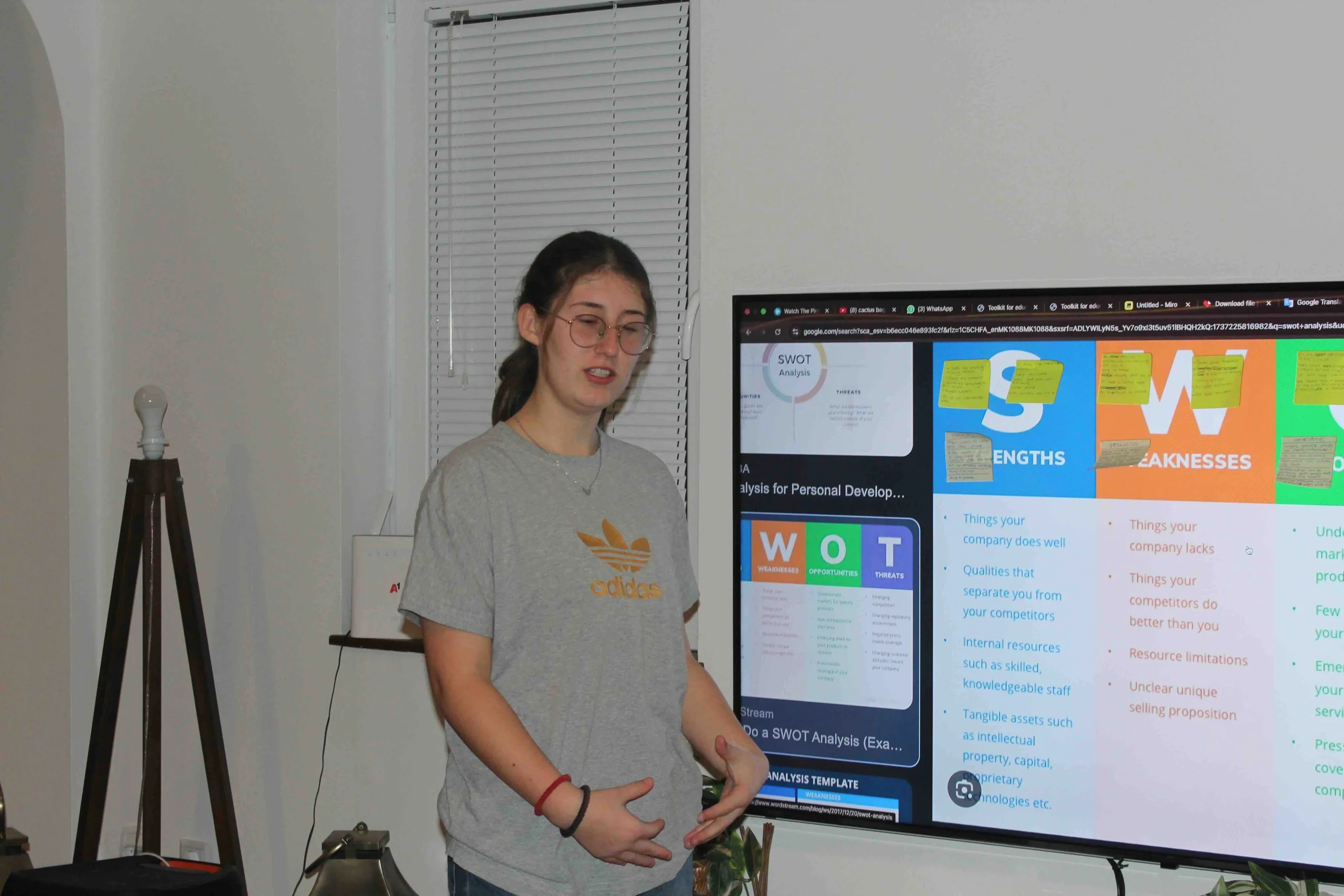
During the first day, participants focused on idea generation and business development. Through structured activities, they explored creative thinking techniques and learned how to refine their ideas into more concrete concepts. This was followed by a session on business planning, where participants gained insight into how to structure and develop a simple business plan. The day concluded with a reflection session, allowing participants to share their impressions and key learnings.
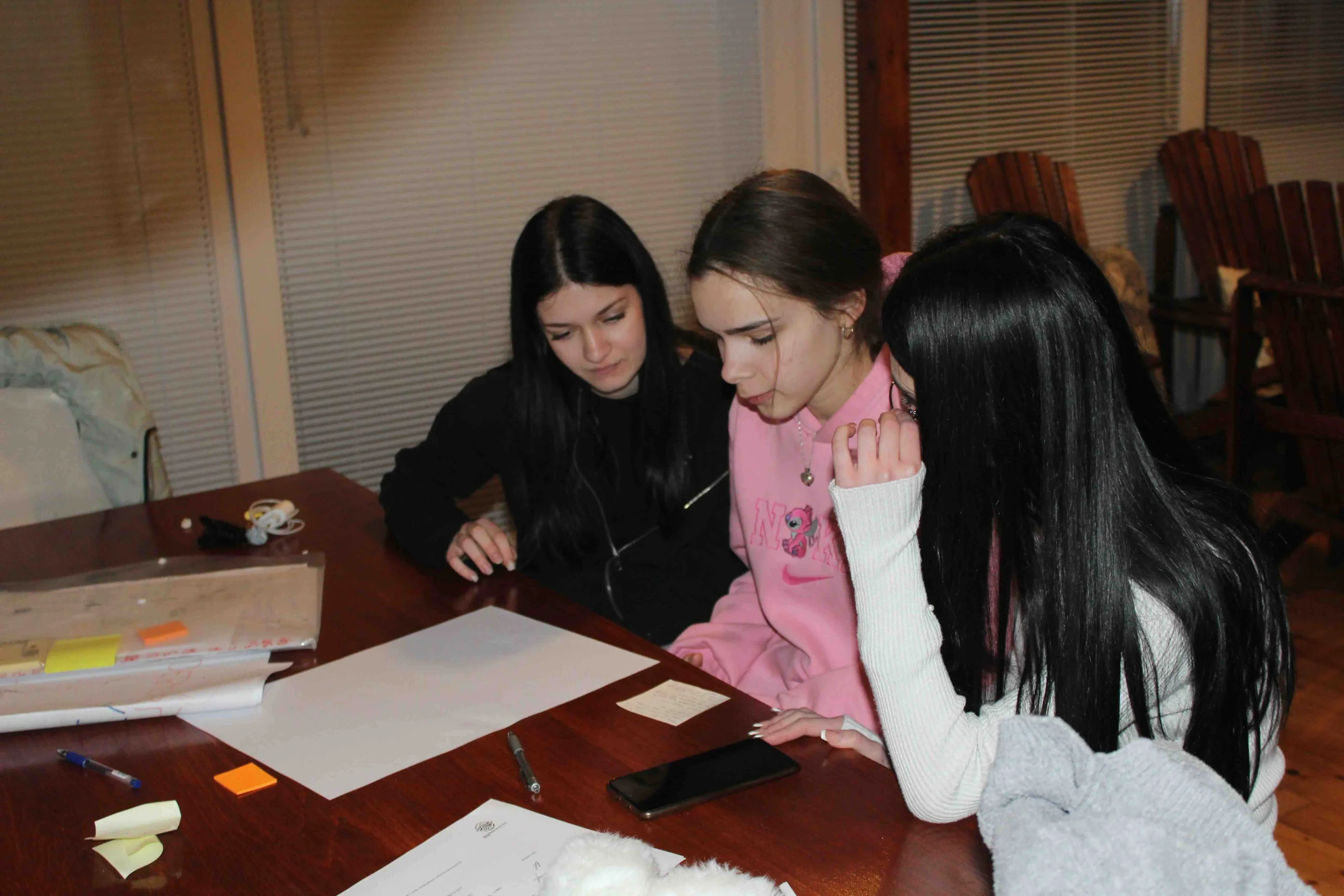
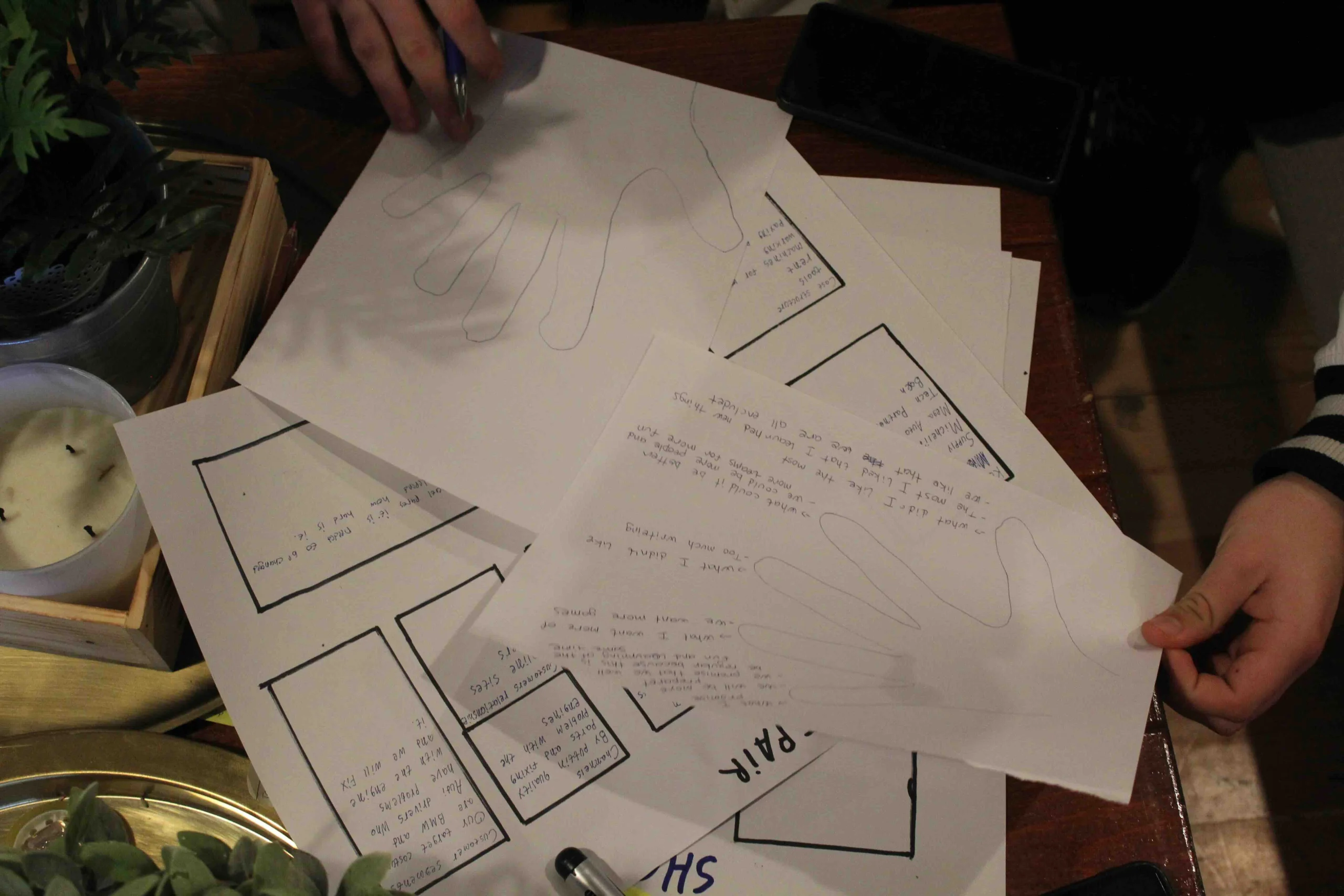
The second day placed a strong emphasis on networking, collaboration, and strategic thinking. Participants engaged in a dynamic networking activity that encouraged communication and connection-building in a fun and interactive way. This was followed by a hands-on session using the Business Model Canvas, where participants worked in teams to further develop and structure their business ideas.
Throughout the workshops, participants highlighted the value of interactive and collaborative learning. Activities involving teamwork, games, and practical exercises were particularly appreciated, as they made the learning process more engaging and inclusive. Participants also noted that the workshops provided them with new knowledge and skills, while creating a space where they felt actively involved.
Feedback collected during the sessions provided valuable insights for further improving the toolkit. While participants responded very positively overall, some suggested balancing written tasks with more interactive elements and expressed interest in participating in similar workshops in the future.
The workshops in Estonia represent an important step in testing and refining the project’s toolkit, ensuring that it remains practical, engaging, and responsive to the needs of young people. At the same time, they contribute to the broader goal of empowering youth with the skills, confidence, and knowledge needed to pursue employment and entrepreneurial opportunities.